Jodi McKitrick is a dog mom and writer in Ohio, and an unapologetic dog person who has lived with dogs for as long as she can remember. She is not a vet or a certified trainer - just someone who has fed, trained, and cleaned up after a lot of dogs over the years.
She shares her home with three: Stella, a 10-year-old Catahoula Leopard Dog who snorts like a piggy; Ivy, a 10-year-old Bluetick Coonhound and Aussie mix who uses her paws like a raccoon; and Piper, a 4-year-old Boxer mix and the certified crazy one of the pack. They taste-test everything that ends up on ChickenChips.
Nothing here is a paid third-party placement, and nothing here is a substitute for your own vet. ChickenChips is made by SitStay; where Jodi mentions our own chips, she says so. She writes about what worked for her dogs, what did not, and when to save your money.
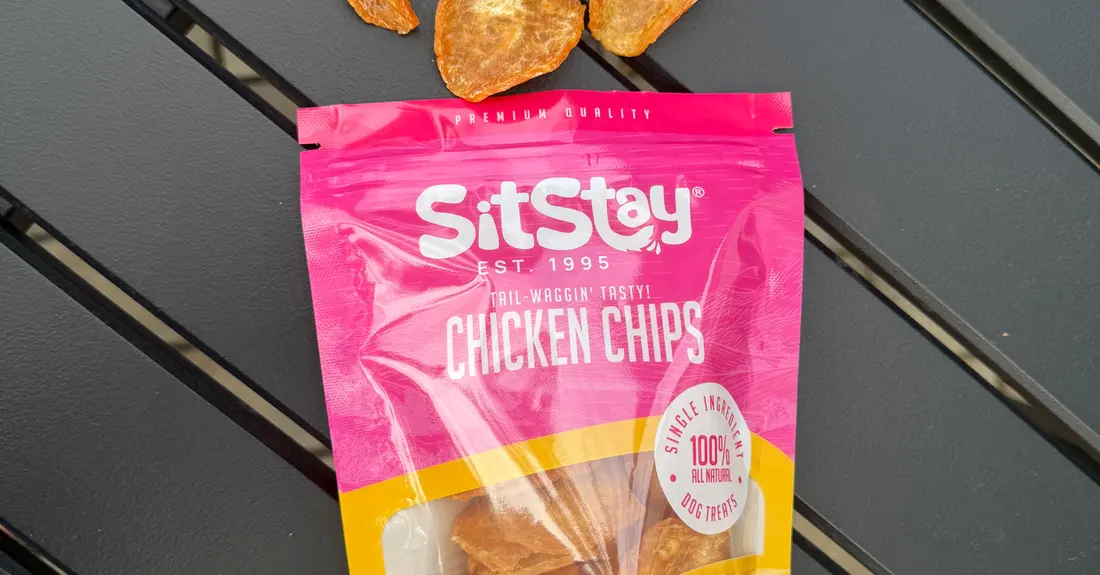
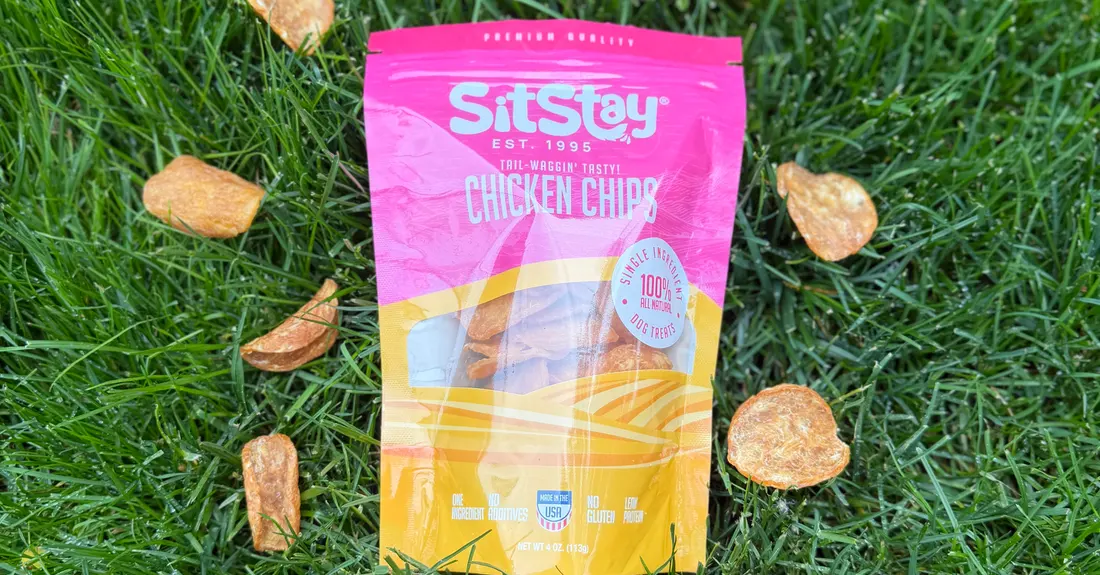
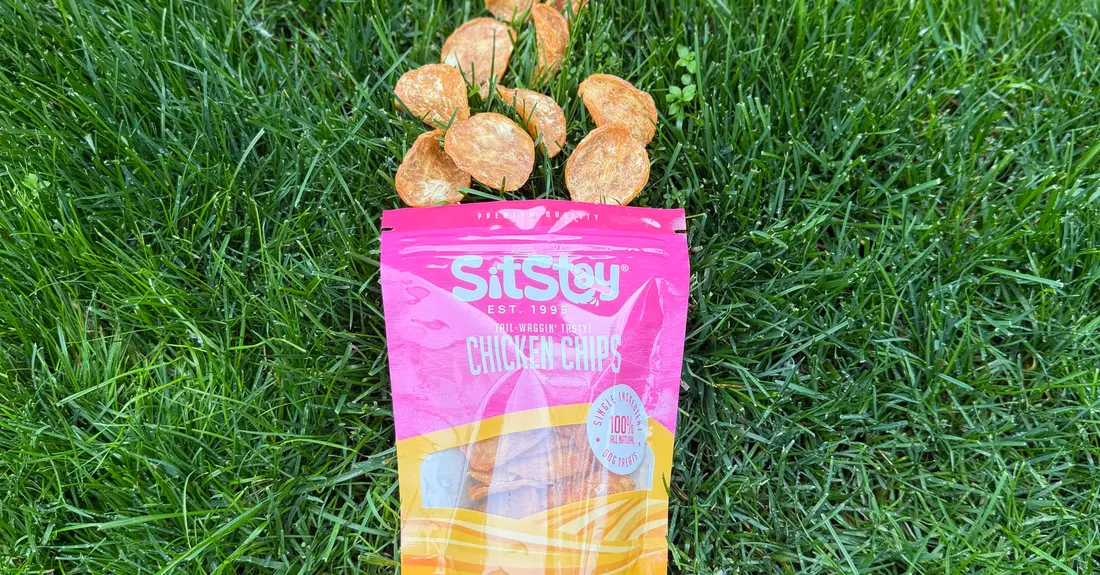
Single-ingredient chicken chips have quietly become a favorite training treat for a lot of dog owners. Here is the honest rundown - what they are, how many to feed, and how to tell a great bag from a so-so one.
The best training treats are tiny, soft, and worth working for. Here is how to choose them, how many your dog can have a day, and the types worth keeping in your pouch.
One ingredient on the label, nothing to scrutinize on the back. Here is what single-ingredient treats actually are, who they help, the honest downsides, and how to pick a good one.
The word "healthy" on the front of a bag means nothing on its own. Here is how to actually judge a treat - the label, the safe human foods, the stuff to avoid, and how many your dog can have.
Drying is one of the oldest, simplest ways to make a treat - and one of the cleanest. Here is what dehydrated treats actually are, how they stack up against freeze-dried, and how to choose or make a good one.
Not every bag that says high-protein on the front actually is. Here is how to read past the label - what counts, the best protein sources, and how to pick a clean one your dog will work for.
Chicken is the default protein of the treat aisle for a reason. Here is how the formats actually compare - and what the label has to say before a bag comes home with you.
Low-calorie treats are how you reward a dog all day without the waistline creeping up. Here is what actually counts as low-calorie, the best picks (store-bought and from your fridge), and how to keep the math simple.
Most dog treats are fine. A handful of ingredients are not. Here is the short list worth avoiding, why each one is on it, and how to spot them on the back of the bag in about thirty seconds.