

Single-ingredient dog treats are made of exactly one thing - usually a single protein like chicken, beef, or salmon, though some are one fruit or vegetable. No fillers, no added sugar, no glycerin, no "natural flavor" to puzzle over. You flip the bag, read one word, and you are done. That simplicity is the whole point, and it is why they have become the default for owners feeding sensitive dogs or just trying to feed cleaner.
The short version
A true single-ingredient treat lists one ingredient and nothing else. The upside: easy to read, easy on sensitive stomachs, and simple to pull from the menu if your dog reacts to a protein. The downsides worth knowing: they cost more, and some formats are too big or too rich for rapid training. Match the format to the job and you get a genuinely clean treat your dog will work for.
I am Jodi, and I have a drawer that is now, somehow, entirely dog treats - most of them single-ingredient, because they are the bags I keep reaching for. Here is what they are, who they actually help, and how to tell a real one from a bag that just says so on the front.
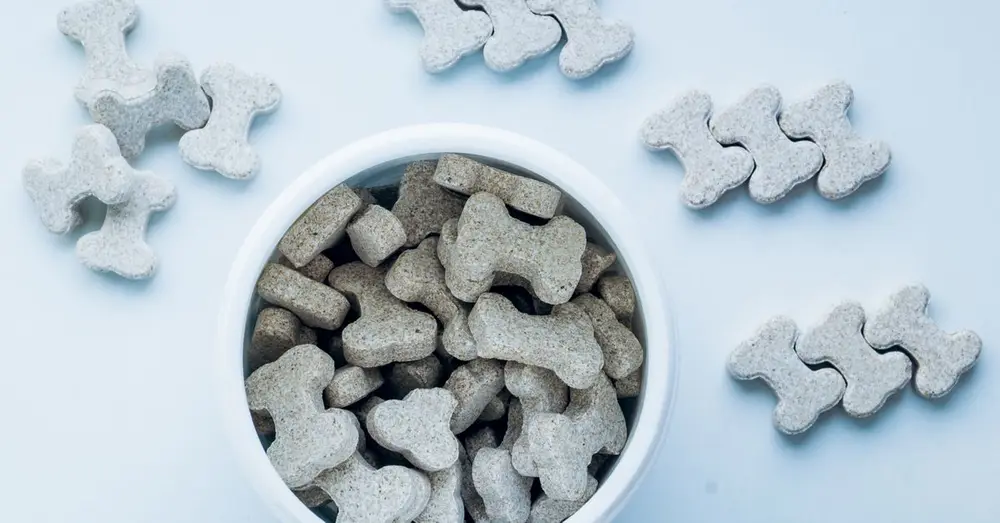
What are single-ingredient dog treats?
A single-ingredient dog treat is what it sounds like - a treat with one ingredient on the label. Most are a single animal protein: a slice of chicken breast, a piece of beef liver, a strip of salmon. Some are a single plant, like dried sweet potato or apple. The defining feature is the back of the bag, not the front: under "ingredients," you see one word.
To get to one ingredient and keep it shelf-stable, makers usually dehydrate or freeze-dry the food instead of baking it with binders. Pull the moisture out and a thin slice of chicken becomes a crisp chip; do it gently and a cube of liver becomes a light, crumbly bite. You will see the same idea sold as one ingredient dog treats, single ingredient chews, or all natural single ingredient dog treats - same basic promise, different label on the front.
Read the back, not the front
"Single ingredient" on the front of a bag is a marketing phrase, not a regulated one. The only place it is proven is the ingredient list. If that list has glycerin, "natural flavor," or rice flour after the protein, it is a fine treat - just not a single-ingredient one, and not worth single-ingredient prices.

Are single-ingredient treats better for dogs?
For a lot of dogs, yes - though "better" is doing some work in that sentence, so here is the honest version. A single ingredient is not magic; it is just fewer things to go wrong. That turns out to matter in four real ways:
- You can actually read the label. One word means no hidden sugar, no artificial dye, no mystery "flavor." You know exactly what your dog is eating, which is the whole appeal.
- Fewer ingredients, fewer things to react to. If your dog has a food sensitivity, a treat with one protein gives you a clean variable. Vets often lean on single-protein treats during an elimination diet for exactly this reason.
- Usually high in protein, low in junk. A dried meat treat is mostly lean muscle, with no grain or filler padding it out. Our high-protein treats guide gets into why that matters for active dogs.
- Often gentler on digestion. Many owners find simple, minimally processed treats sit easier with sensitive dogs - the AKC's nutrition guidance is a good general baseline, and your vet knows your specific dog.
Here is the opinion I will plant a flag on: simple labels win. Not because long ingredient lists are evil, but because every extra ingredient is one more thing to scrutinize when something disagrees with your dog. When two treats are otherwise even, I take the shorter list every time.
Not vet advice
If your dog has a diagnosed allergy, a sensitive stomach, or a medical diet, talk to your vet before changing treats - even a "clean" one. Two dogs in the same house can react completely differently; mine certainly do.

Single-ingredient vs. limited-ingredient: what is the difference?
This trips people up in the aisle, so it is worth being clear. Single-ingredient means one ingredient. Limited-ingredient means few ingredients - usually one protein plus a small, named supporting cast (a binder, a vegetable, maybe a preservative). They are cousins, not twins.
- Single-ingredient: chicken. That is the entire list.
- Limited-ingredient: chicken, sweet potato, vegetable glycerin. Short and readable, but more than one thing.
Neither is automatically "healthier." Limited-ingredient treats are often softer and easier to tear small, which makes them handy for training. But if you are working through a real food sensitivity, single-ingredient is the cleaner test - one protein, one variable, no supporting cast to muddy the picture. For everyday snacking, either is a reasonable, readable choice.

The main types of single-ingredient treats
"Single-ingredient" covers a surprising range of formats. Roughly from most to least useful for everyday treating and training:
- Dried meat chips and slices. Thin slices of chicken, turkey, or beef, dehydrated until crisp. Light, low-calorie, and they snap into smaller pieces - see our guide to chicken chips for the clearest example. Closely related are dehydrated treats in general.
- Freeze-dried bites. Lighter and airier than dehydrated, often single cubes of muscle or organ meat. High value, clean label, a little more expensive.
- Organ treats. Liver, heart, lung. Extremely high value - dogs go a bit silly for liver - but rich, so a little goes a long way.
- Single-ingredient chews. Bully sticks, tendons, dried fish skins. These are for occupying a dog, not for training; they last a long time and need supervision for the right chew size.
- Dried fruit and veg. Sweet potato, apple, carrot, green beans. A good low-calorie option for dogs who like a crunch, and handy if you are watching the meat count.
Most homes end up with two or three of these on hand - a chip or freeze-dried bite for quick rewards, and a longer chew for downtime. One of mine ignores anything plant-based and would trade the whole drawer for a single piece of liver, which tells you everything about how individual this is.

The honest downsides
Most articles on this stop at the benefits. That is not honest - single-ingredient treats have real trade-offs, and knowing them up front saves you money and grief:
- They cost more. One quality ingredient, minimally processed, is not cheap - you are paying for what is not in the bag as much as what is. Do the price-per-ounce math before you assume the big bag is the better deal.
- Some formats are clumsy for training. Whole chews are useless in a treat pouch, and organ bites can crumble. For rapid-fire reps you want something you can break into tiny pieces, like a chip.
- Rich treats can be too much. Organ meats especially are concentrated; overdo them and you can upset a stomach. Start small with any new one.
- Shorter shelf life once opened. Fewer preservatives means treat them a bit more like real food - reseal them, and do not leave a bag open for months.
None of these are deal-breakers. They are just the reasons a single-ingredient treat is not automatically the right pick for every situation - and why matching the format to the job matters more than the words on the front of the bag.

How to choose a good single-ingredient treat
Once you have decided single-ingredient is right for your dog, picking a good bag comes down to four quick checks - all of which you can run in the pet aisle before it goes in the cart.
- Read the ingredient list, not the front. One named ingredient ("chicken breast," not "chicken and natural flavor"). If a second thing appears, it is limited-ingredient - fine, but know what you are buying.
- Check where the meat comes from. Look for a named country of origin. US- or Canada-sourced is what you want; "imported" with no detail is the one to be cautious about. The FDA still has standing guidance on jerky pet treats worth two minutes.
- Do the price-per-ounce math. Divide price by bag weight and compare honestly. Single-ingredient runs pricier, but the range is wide, and the most expensive bag is not automatically the best.
- Watch your own dog. The cleanest label in the world fails if your dog spits it on the floor. Whether they actually finish it is data, not fluff.
For dogs with a known sensitivity, add one more rule: introduce any new treat slowly, in small amounts, before you build a whole routine around it. Our notes on treats for sensitive stomachs go deeper, but the short version is to go slow and keep it boring while you watch.

Which single-ingredient treat is best - and who it is for
There is no single "best" - it depends on the job. For a long chew on a rainy afternoon, a bully stick wins. For convincing a dog that liver exists and life is good, an organ bite wins. But for the thing most of us reach for most often - a clean, everyday reward you can also train with - a thin dried-meat chip is hard to beat.
A single-ingredient chicken chip checks the boxes that matter for daily use: one readable ingredient, high protein, low calories, and it snaps into three or four pea-sized pieces so a training session does not blow the day's calorie budget. That last part is why these show up constantly in searches for single ingredient dog training treats. If that is the lane you are in, our chicken chips guide is the place to start.
Who should skip single-ingredient? Honestly, almost no one - but if your dog does great on their current treats and your budget is tight, there is no shame in a good limited-ingredient bag. Recommend the better option, never guilt the cupboard you already have. The best treat is still the clean one your dog will actually turn its head for.
Straight answers
What are single-ingredient dog treats?
They are treats made from exactly one ingredient - usually a single protein like chicken, beef, or salmon, though some are one fruit or vegetable. There are no fillers, added sugars, glycerin, or flavorings; the ingredient list is one word.
Are single-ingredient dog treats better for dogs?
For many dogs, yes. A single ingredient is easy to read, high in protein, and gives you a clean variable if your dog has a food sensitivity. They are not automatically healthier than a good limited-ingredient treat, but they are simpler - and simpler is easier to troubleshoot.
What is the difference between single-ingredient and limited-ingredient dog treats?
Single-ingredient means one ingredient, full stop. Limited-ingredient means few ingredients - usually one protein plus a small, named supporting cast like a binder or vegetable. For an elimination diet, single-ingredient is the cleaner test; for everyday snacking, either is readable and reasonable.
What is the best single-ingredient dog treat?
It depends on the job. For long-lasting chewing, a single-ingredient chew like a bully stick; for high-value rewards, freeze-dried organ bites; and for everyday treating and training, a thin dried-meat chip that snaps into small pieces. The best one overall is the clean treat your dog will reliably finish.
Are single-ingredient treats good for dogs with allergies?
They can be very useful, because one protein means one thing to react to, which is why vets often use single-protein treats during food-sensitivity trials. They are not a cure for allergies - work with your vet, introduce any new treat slowly, and stick to one known-safe protein while you watch.
Do single-ingredient dog treats have any downsides?
A few. They usually cost more, some formats are too large or crumbly for rapid training, rich options like organ meat can upset a stomach if overfed, and with fewer preservatives they keep less well once opened. None are deal-breakers, but they are worth knowing before you stock up.