
The best dog treats for training are small, quick to eat, strongly scented, low in calories - and, above all, something your individual dog will actually work for. No single bag checks that last box for every dog, which is why trainers carry a mix instead of a favorite. The useful question is not "which treat is best" but "best for which dog, doing what."
The short version
Pick pea-sized, fast-eating, smelly treats your dog rates highly. Keep an everyday tier for easy reps and a stronger tier for hard jobs, hold all of it under about 10% of the day's calories, and judge value by price per reward, not price per bag. The dog casts the deciding vote.
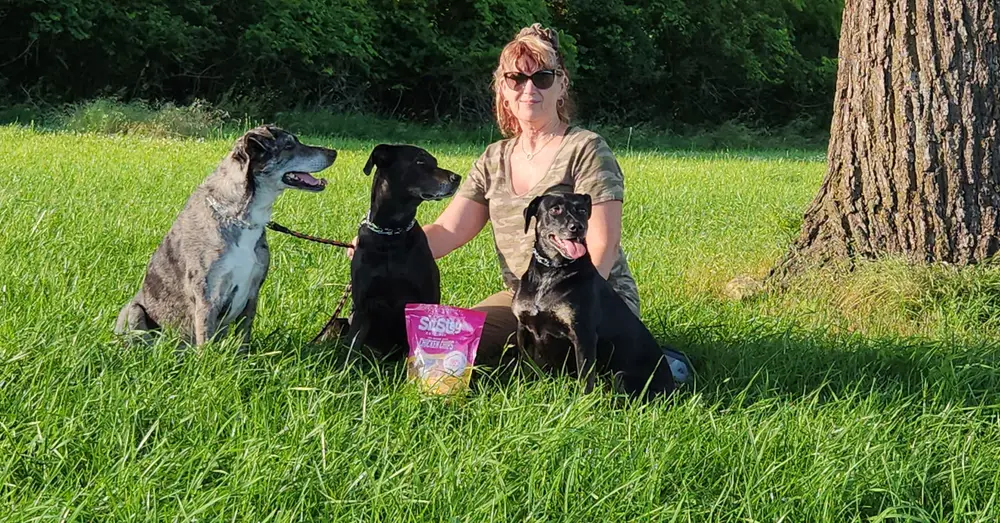
Between Stella, Ivy, and Piper, "best" is a committee decision in this house - and the committee does not read marketing copy.
What makes a training treat the best one?
A good training session hands out a lot of rewards in a few minutes, and the treat has to keep up. That is the whole secret. Everything on the checklist serves speed, motivation, or the calorie budget:
- Pea-sized and gone in a second. Chewing kills the rhythm of a session. If the treat needs a pause, it is a snack, not a reward.
- Smelly enough to compete. Outdoors, the treat is up against grass, squirrels, and the neighborhood's whole story. Scent is what keeps the dog in the game.
- Single-digit calories per piece. Fifty rewards should not equal a second dinner.
- Pouch-friendly. Greasy, crumbly, or melty treats make you slower and the pouch disgusting.
- Rated highly by your dog. The one criterion nobody can outsource. A treat is only a reward if the dog agrees.
The AKC's guide to training treats lands on the same core: fast-eating, small, and soft or easy to break. Where most guides stop short is the honest part - most of the decision is your dog's opinion, not the label.
The best training treats, by category
- Soft commercial training bites. Built for the job: tiny, soft, ready to go. The trade-off lives on the label - many stay soft thanks to glycerin, added sugar, or preservatives, so read before you buy.
- Freeze-dried meat. Usually single-ingredient and very motivating. Light to carry, costs more per ounce, and crumbles to dust at the bottom of a pocket.
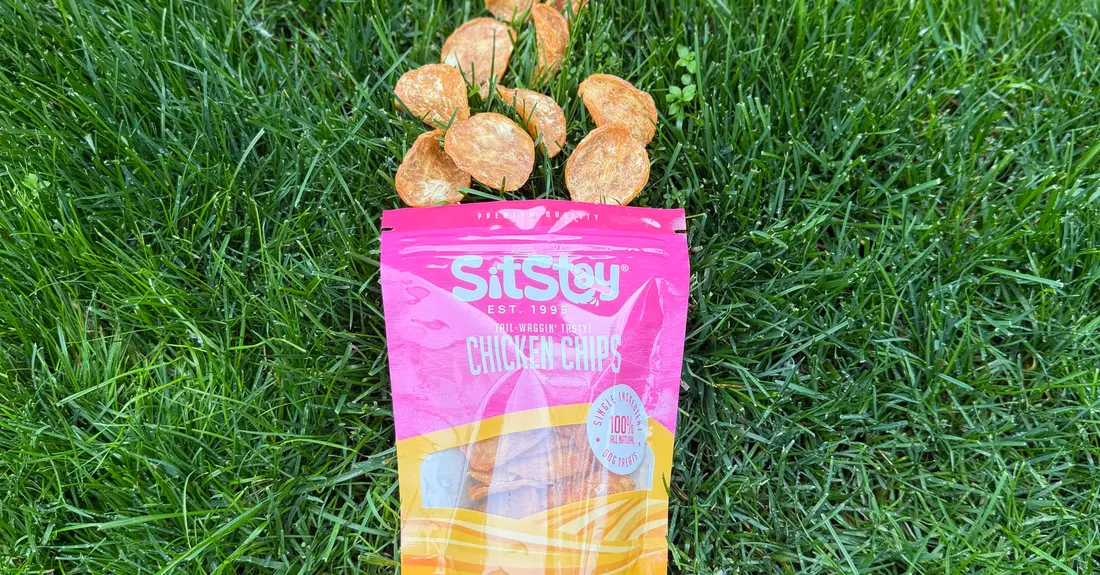
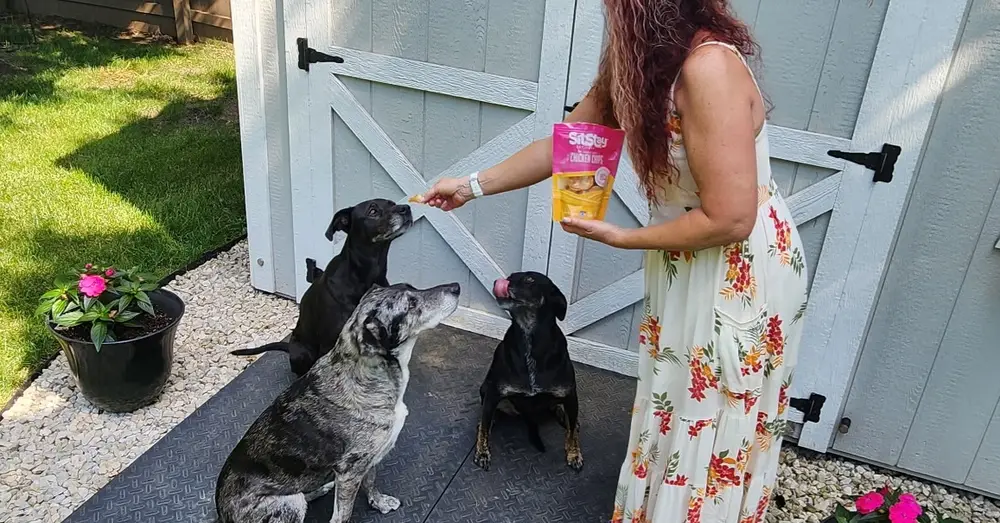
- Dried and dehydrated meat. Concentrated smell, snaps into small pieces, keeps without a fridge. Firmer than soft bites, which some dogs love and a few seniors do not. Our chicken chips live in this category.
- Your dog's own kibble. Free, pre-portioned, and plenty for food-motivated dogs doing easy reps. Too low-value for the hard jobs.
- Plain human food. Cooked chicken and small cheese slivers sit at the top of most dogs' rankings. Needs prep and a fridge; watch the salt, and go easy on dairy.
There is no category that wins outright - that is why a rotation beats a soulmate. If long ingredient lists put you off the soft-bite aisle, the single-ingredient route is the shortcut to a label you can actually read.
The best treat depends on the dog
- Puppies: tiny, soft pieces - smaller than feels reasonable - and strict calorie counting, because puppy budgets are small and enthusiasm is not.
- Small dogs: same idea for life. A 12-pound dog's treat allowance disappears fast, so each reward should be closer to crumb than cube.
- Sensitive stomachs: one known-safe protein and a short label. Single-ingredient treats make the detective work easy, and your vet beats trial and error.
- Seniors and soft-mouthed dogs: lean toward softer textures, or snap firm treats into thin slivers.
- The kibble enthusiasts: some dogs genuinely work for their own food. If yours does, congratulations - you own the cheapest training program in town, and you do not need to buy anything fancier for easy reps.
I learned the individuality lesson the embarrassing way: I assumed all dogs love peanut butter, and one of mine wants nothing to do with it. The internet's favorite treat is a suggestion. Your dog's reaction is the answer.
Match the treat to the job
Whatever you stock, split it into two tiers. Everyday treats - kibble, plain biscuits - pay for easy reps in quiet places. The good stuff - meat, cheese, liver - pays for recall, passing other dogs, the vet's lobby, and anything brand new. Spend the top tier on easy work and it stops being the top tier.
That tiering question is big enough that we gave it its own post - the high-value treats guide covers how to find your dog's top tier and when to spend it.
Do the price-per-reward math
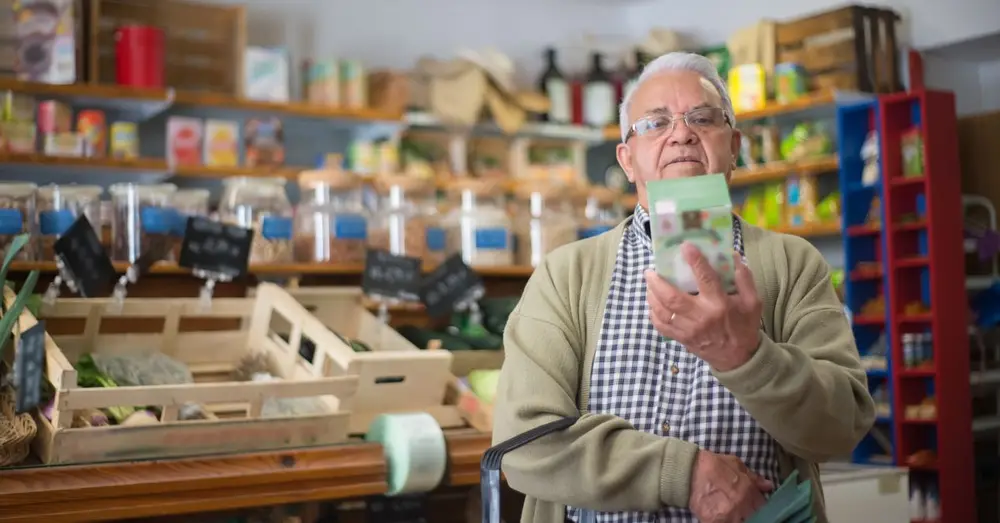
Here is the opinion I will defend: doing the price math is pro-reader, not cheap. Training runs through real volume - a few sessions a week is hundreds of rewards a month - and the per-bag price hides what you actually pay. Divide by the number of rewards instead. A dense dried treat that snaps into four or five pieces often beats a cheaper bag of big soft bites the moment you count it out.
Then keep the volume honest: all treats together stay under about 10% of the day's calories, with the rest coming from complete food. If you want the nutrition side from people who do it for a living, Tufts Petfoodology is the science-based read.

Our honest pick - and when to skip it
The workhorse in this house is a single-ingredient dehydrated chicken chip: one ingredient, strong smell, about 5-8 calories whole, and each chip snaps into four or five training-size pieces. It covers the everyday tier and a good chunk of the hard jobs, and the label takes one second to read.
And the honest part: skip it if your dog needs genuinely soft textures, if chicken is on their no-fly list, or if they happily work for kibble - in that last case your money is better spent on a long leash. No treat is the best one for every dog, including ours.
Straight answers
What are the best dog treats for training?
The best training treats are pea-sized, quick to eat, strongly scented, and low-calorie - small soft bites, freeze-dried or dehydrated meat, or plain cooked chicken all fit. The deciding factor is your individual dog: the best treat is the one they will reliably work for, used in tiers so the exciting stuff stays exciting.
What are the best training treats for puppies?
Tiny, soft, easily swallowed pieces - soft commercial training bites broken smaller, or small bits of plain cooked chicken. Puppies are easy to motivate and easy to overfeed, so keep pieces truly pea-sized and count treats inside the day's calories alongside their puppy food.
What are the best training treats for dogs with sensitive stomachs?
Single-ingredient treats made from one protein your dog already tolerates are the safest starting point, because there is nothing hidden on the label. Introduce any new treat in small amounts over a few days, and if digestive trouble keeps showing up, bring your vet into the treat decision.
Can I use my dog's kibble as training treats?
If your dog will work for it, absolutely - it is free, pre-portioned, and already part of the daily calories. Kibble shines for easy reps in quiet places. Most dogs need something stronger for hard jobs like recall around distractions, so keep a meatier tier on hand for those.
Are soft or crunchy treats better for training?
For fast-paced sessions, soft or easily snapped treats win because the dog can swallow and refocus in a second. Crunchy is fine for single rewards and slow moments. Texture also has a dog-preference component - a few dogs work harder for crunch, most for soft and smelly.
How many training treats a day is too many?
The common veterinary guideline is to keep all treats under about 10% of your dog's daily calories, and training counts. The practical fixes: make pieces tiny, choose low-calorie treats, and subtract a heavy session's treats from dinner so the day's total stays level.
Do I need different treats for different situations?
It helps a lot. An everyday tier covers easy practice at home, and a high-value tier - meat, cheese, liver - covers recall, distractions, and scary places. Keeping the tiers separate is what preserves the top tier's pull when you really need it.