
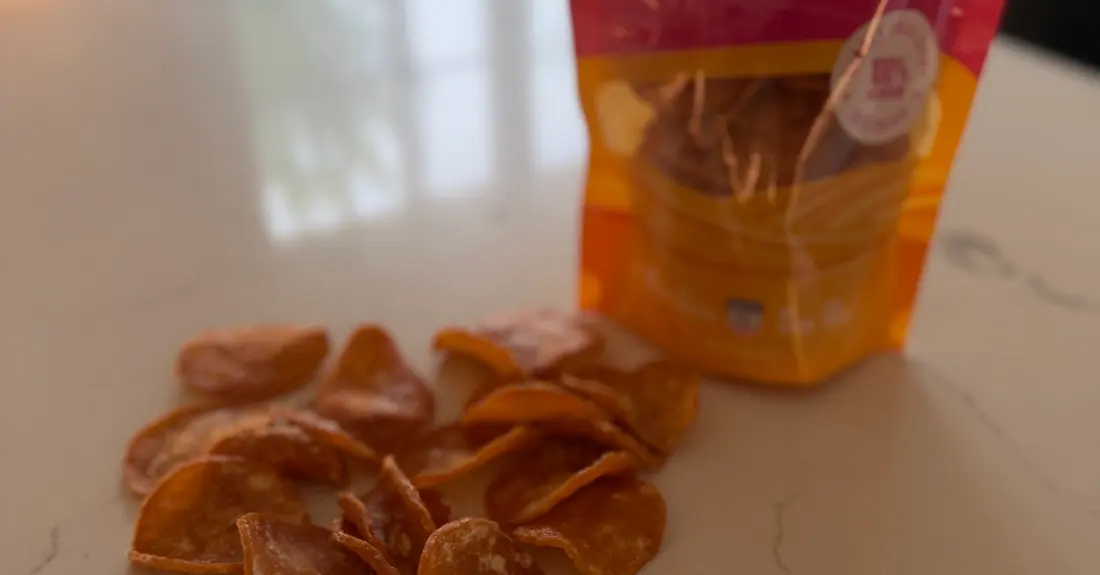
Chicken dog treats are the workhorse of the treat aisle - lean, affordable, loved by most dogs, and available in every format from soft bites to single-ingredient chips. That popularity cuts both ways: chicken on the front of the bag tells you almost nothing about what is inside it. Some bags are one ingredient; some are flour with a chicken accent.
The short version
Look for a named chicken ingredient first on the label - ideally the only ingredient - check where it was made, and match the format to the job: dried chips and freeze-dried pieces for training, bigger chews for slow moments. Keep all treats under about 10% of the day's calories, and if your dog is one of the few sensitive to chicken, skip the category without guilt.
Chicken treats are the default in this house for a boring reason: with Stella, Ivy, and Piper voting, chicken is the one protein that has never been turned down.

Why chicken is the default treat protein
Chicken breast is lean, widely available, and mild enough that most dogs tolerate it well - which is why it anchors so many dog foods and treats. Dried, it turns into something better: pull the water out and what remains is mostly protein by weight, with strong smell in a light piece. That combination - high interest, low calories - is exactly what you want in a reward you hand out often. The AKC's nutrition team covers the food side in their guide to dogs and chicken.
One honest caveat before the love letter continues: chicken is also among the more common food sensitivities in dogs. Most dogs handle it beautifully; a minority do not. If yours gets itchy skin or an upset stomach on chicken anything, this whole category is skippable - other single proteins do the same job.
The chicken treat formats, compared
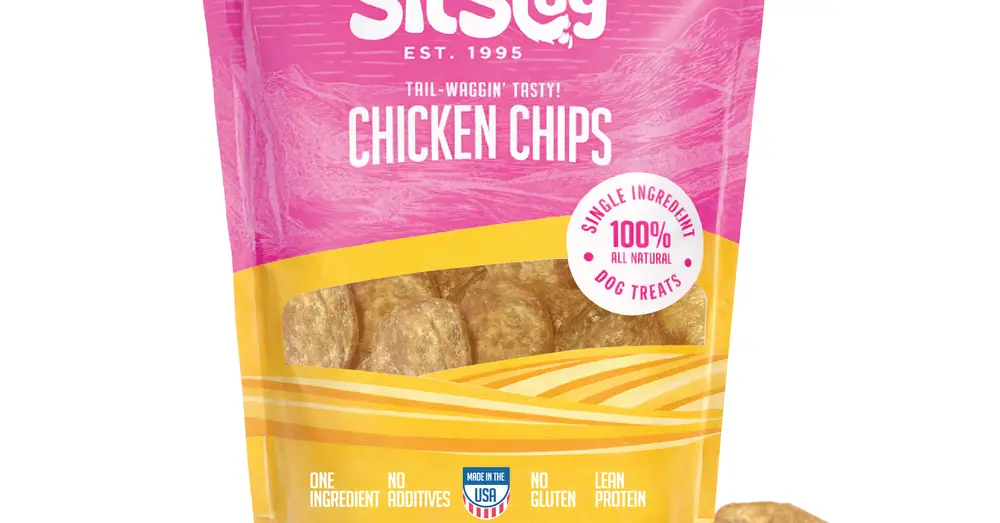
- Dehydrated chips and strips. Sliced chicken dried slow until crisp. The good ones are one ingredient, smell like serious business to a dog, and snap into training-size pieces. Our full chicken chips guide covers this format in depth.
- Freeze-dried chicken. Raw chicken with the water pulled out cold. Light, airy, usually single-ingredient, very motivating - and typically the priciest per ounce.
- Chicken jerky. Chewier strips, great value as a reward. Check sourcing here especially - this format has the most uneven history (more below).
- Soft and semi-moist bites. Easy for puppies and seniors. They stay soft thanks to added glycerin, sugars, or preservatives, so the label runs longer - read it.
- Chicken-flavored biscuits. The word "flavored" is doing heavy lifting. In many of these, actual chicken sits far down the ingredient list behind flours and meals.
- Plain cooked chicken. Not a product at all - just your fridge. Unbeatable value as a high-interest reward; needs prep and refrigeration.
Format is mostly about the job: crisp and snappable for fast training reps, chewier formats for slow moments, soft for the dogs that need it. The dehydrated treats guide digs into why drying changed the treat aisle.

Benefits - and the honest cautions
The case for chicken treats is simple: high palatability, lean protein, and - in the single-ingredient formats - a label with nothing to decode. For training volume, a dried chicken treat is about as clean as the math gets: strong motivation in a piece that costs little of the day's calorie budget.
- Sourcing matters in this category. A decade-plus ago, imported chicken jerky was the subject of a long FDA investigation into pet illnesses. The agency's animal safety hub is the place for current advisories. The practical takeaway has not changed: know what country your treat was made in.
- Soft treats carry passengers. Glycerin, added sugar, salt, and preservatives are how soft stays soft. None are automatically disqualifying - but you should know they are there.
- "Flavored" is not chicken. If the first real ingredient is flour, you are buying a cracker.
- The 10% rule still rules. All treats together stay under about 10% of daily calories - chicken does not get an exemption for being lean.
How to pick a good bag in 30 seconds
- Flip the bag. The first ingredient must be a named chicken - "chicken breast," "chicken" - not "poultry meal" or "meat by-products." One ingredient total is the gold standard.
- Find the country. Made in the USA (or a country whose sourcing you trust), stated plainly. Vague "distributed by" labels with no origin are a pass.
- Do the per-ounce math. Dried treats look expensive per bag and often are not per reward - a dense chip snaps into multiple training pieces.
- Watch your own dog. The label can be perfect and the dog unmoved. Palatability is the test the aisle cannot run for you.
Here is the opinion I will defend: simple labels win. A treat with one recognizable ingredient beats a ten-line label nearly every time, because every added line is something else to vet. If label reading is becoming a hobby you did not ask for, the single-ingredient route retires it.
Homemade chicken treats, the easy way
The simplest homemade chicken treat is just chicken: slice a breast thin - easier when slightly frozen - lay the slices on a rack, and dry them in a low oven (around 200°F) or a dehydrator for a few hours until fully dry and crisp. No salt, no oil, no seasoning. Dogs do not miss what they have never billed as missing.
Two practical notes: dry it fully - bendy means moisture, and moisture means it spoils - and store it airtight, using it within about two weeks (longer in the freezer). Homemade wins on control and loses on convenience; most of us land on store-bought for every day and homemade for the weekends we feel ambitious.

Our pick - and when plain chicken from your fridge wins
Our everyday answer is the format we make: a single-ingredient dehydrated chicken chip - one named ingredient, USA-sourced, about 5-8 calories a chip, and each chip snaps into several training-size pieces. It is the version of chicken that needs no decoding and no refrigerator.
And the honest alternatives: plain cooked chicken from your own fridge is a legitimately great treat that costs less than anything in a bag - it just needs prep and does not travel well. If your dog needs soft textures, a quality soft chicken bite serves better than a crisp chip. And if your dog is chicken-sensitive, skip the whole category; other lean proteins cover the same ground.
Straight answers
Are chicken treats good for dogs?
For most dogs, yes - chicken is lean, palatable, and widely tolerated, and single-ingredient chicken treats are among the cleanest options in the aisle. The exceptions are dogs with a chicken sensitivity or allergy, and treats where "chicken" is mostly flavoring over flour. Keep all treats under about 10% of daily calories.
Can dogs eat chicken treats every day?
Daily is fine for most dogs as long as the quantity stays inside the 10% treat guideline and the rest of the diet is complete and balanced. Lean, dried chicken makes the daily math easy because each piece is small and low-calorie. If anything about skin or stomach changes, pause and talk to your vet.
Are chicken jerky treats safe for dogs?
Quality varies more in jerky than any other chicken format. Years ago the FDA ran a long investigation into illnesses linked mainly to imported chicken jerky, which is why sourcing deserves extra attention here. Choose jerky with a named chicken first on the label and a clearly stated country of origin, and check the FDA's animal safety pages for current advisories.
Can puppies have chicken treats?
Yes, in puppy-sized amounts - small, soft or finely broken pieces, counted within the day's calories so they do not crowd out puppy food. Plain cooked chicken and soft chicken training bites both work well. Introduce any new treat gradually and keep pieces genuinely tiny.
What is the difference between dehydrated and freeze-dried chicken treats?
Both remove water from chicken, which concentrates protein and smell. Dehydration uses low heat and produces a denser, crisp treat; freeze-drying removes water cold and produces a lighter, airier one that is usually more expensive per ounce. Dogs rate both highly - the practical differences are texture, price, and how well each survives a pocket.
What should the label on a chicken dog treat say?
A named chicken ingredient first - ideally the only ingredient - and a clear country of origin. Be wary of "poultry meal," "by-products," and "chicken flavor," which signal less actual chicken. The shorter the list, the less there is to go wrong.
Are chicken-flavored treats the same as chicken treats?
No. "Chicken-flavored" usually means a biscuit or cracker base with chicken seasoning, where actual chicken sits far down the ingredient list. If you are buying for the protein, look for treats where chicken is the first - or only - ingredient.