

Chicken chips for dogs are thin slices of real chicken - usually breast - dehydrated until crisp and served as a treat. The best ones are single-ingredient: just chicken, with no fillers, grain, or preservatives. They are high in protein, low in fat and calories, and snap apart easily, which is what makes them such a popular training reward.
The short version
Real chicken chips are dried chicken and nothing else. They are good for most dogs in moderation, easy to digest, and great for training. The two things to get right: do not confuse them with chicken-flavored potato chips (those are a human snack and not safe for dogs), and keep treats under about 10% of your dog's daily calories.
I am Jodi, and I feed a lot of treats to my three dogs - Stella, Ivy, and Piper. One of them turns her nose up at anything she finds suspicious, which makes her a reliable early-warning system for a so-so treat. Here is everything worth knowing before you buy a bag.

What are chicken chips for dogs?
Chicken chips for dogs are slices of chicken - almost always breast - with the moisture pulled out until they go from floppy and raw to light and crisp. Picture a potato chip where the only ingredient is meat. Depending on the brand you will see them called dog chicken chips, crispy chicken chips dog treats, or just chicken treats for dogs. Same idea.
Because the water is gone and the protein stays behind, each chip is small, light, and very high-value to a dog. That last part matters more than it sounds: a treat your dog will actually work for beats a "healthier" one it shrugs at. Most are made one of three ways - dehydrated (the classic crisp chip), freeze-dried (lighter and airier), or baked (softer, but usually not single-ingredient).
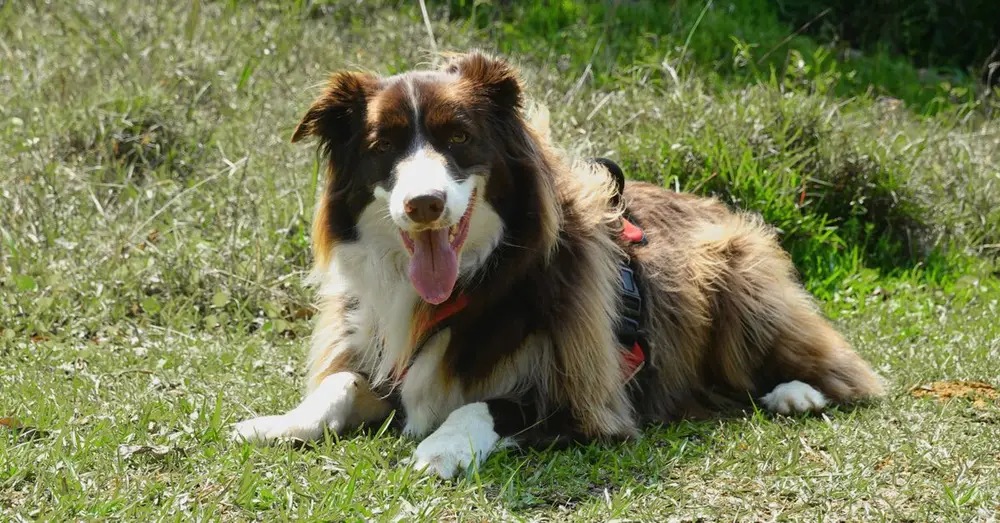
Are chicken chips good for dogs?
Yes - for most dogs, a true single-ingredient chicken chip is one of the cleaner treats you can give. Here is the honest breakdown of why:
- High protein. It is mostly lean muscle meat, so a tiny piece carries real nutritional value.
- Low fat and calories. A single chip is often only around 5-8 calories, which makes it easy to reward often without overfeeding.
- Easy to digest. One recognizable ingredient is gentle on most dogs, including some with sensitive stomachs.
- Grain- and filler-free. A real chicken chip has no wheat, corn, sugar, or glycerin to scrutinize.
Two honest caveats. Treats of any kind should stay under roughly 10% of your dog's daily calories - chicken chips make that easy, but it still counts. And sourcing matters: the FDA has tracked illnesses tied to some imported chicken jerky over the years, so its guidance on jerky pet treats is worth two minutes. The American Kennel Club's nutrition advice is a good general baseline too.
Not vet advice
If your dog has a chicken allergy, a sensitive stomach, or a medical diet, check with your vet before adding any new treat. Even in one house, two dogs can react completely differently - two of mine handle almost anything, and the third is far choosier.

Chicken chips vs. chicken-flavored chips
This trips people up, so it is worth being blunt. Chicken chips made for dogs are not the same thing as chicken-flavored potato chips made for people. If you searched "can dogs eat chicken chips" after your dog raided a snack bag, that is the distinction that matters.
Human chicken-flavored chips are potatoes fried in oil and dusted with salt and seasoning - and that seasoning very often includes onion and garlic powder, both of which are toxic to dogs. The ASPCA lists onion and garlic among the people foods to keep away from pets. A stolen chip or two is usually nothing to panic over, but it is junk for a dog, not a treat.
One word on the back of the bag tells you which is which: if the first ingredient is "potato," it is a human snack. If it is "chicken," it is a dog treat.

How many chicken chips can a dog eat a day?
The real answer: treats should stay under about 10% of your dog's daily calories, chicken chips included. That percentage matters more than any fixed number, because a chip for a Chihuahua and a chip for a Great Dane are very different fractions of the day. As a rough starting point, with a typical low-calorie chip:
- Small dogs (under ~20 lb): about 2-4 chips a day.
- Medium dogs (~20-50 lb): about 5-7 chips a day.
- Large dogs (50 lb+): up to about 10 chips a day.
Two practical notes. First, break them up - one chip snaps into three or four pea-sized pieces, so a training session does not have to blow the budget. Second, on a heavy training day, cut back a little at dinner to balance it out. Puppies eat less overall, so scale everything down for them.

Why chicken chips make such good training treats
This is where chicken chips earn their keep. Good training runs on a lot of small rewards - you might hand out fifty in a five-minute session - so the ideal treat is tiny, low-calorie, and exciting enough to hold focus at the park. Chicken chips are all three, which is why they show up constantly in searches for high value training treats for dogs and low calorie training treats for dogs.
The trick is to break them down. One chip becomes three or four rewards, so a single bag lasts a surprisingly long time. For pure training, a soft, tear-apart jerky can have an edge in a treat pouch - but for a clean, single-ingredient option, crisp chicken chips are hard to beat. If you have a young dog, a softer, soft-baked treat is gentler on new teeth.

How to choose a good bag
When you are comparing chicken chips dog treats, four things separate a great bag from a so-so one - and you can run the whole checklist in the pet aisle in about thirty seconds.
- Read the label first. "Chicken" alone is the goal. "Chicken chips" on the front does not guarantee one ingredient on the back - some bags add rice flour, glycerin, or "natural flavor," which is fine but not single-ingredient, and not worth single-ingredient prices.
- Check the sourcing. Look for a named country of origin. US- or Canada-sourced chicken is what you want; "imported" with no detail is the one to be cautious about.
- Do the price-per-ounce math. Single-ingredient costs more, but the range is wide. Divide the price by the bag weight and compare honestly - the cheapest bag is rarely the best value, and the priciest is not automatically the best either.
- Watch your own dog. The best label in the world fails if your dog spits it on the floor. Whether your dog actually finishes it matters as much as anything printed on the bag.
That last point matters more than the marketing on the front of any bag. Buy a small bag first, watch how your dog takes to it, and only size up once you know it is a hit. A treat your dog loves - and whose label you can actually read - is the one worth buying again.
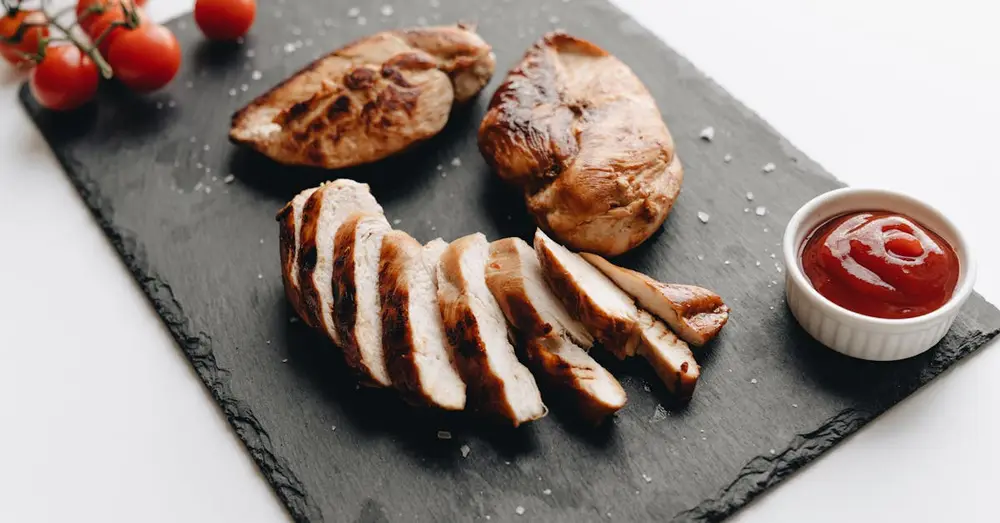
How to make chicken chips for dogs at home
You can absolutely make these yourself, and it is the cheapest way to get a genuinely single-ingredient treat. People search dehydrating chicken for dog treats expecting something fiddly. It is not.
- Slice boneless, skinless chicken breast as thin as you can - about an eighth of an inch. Freezing it for 20 minutes first makes this much easier.
- Lay the slices flat on a rack or lined tray so they are not touching.
- Dry low and slow: a dehydrator at 160°F, or an oven at its lowest setting (around 170-200°F) with the door cracked, for roughly 2-4 hours.
- They are done when fully dry and crisp with no soft or pink spots. Cool completely before storing.
One safety note
Homemade means no preservatives, so treat them like real food: dry them all the way through, store airtight, keep them in the fridge, and use within about a week. If a piece bends instead of snapping, it is not done.
Honestly, though - if you go through a bag a week and do not feel like babysitting an oven, a good store-bought bag is a fair trade. I make them when I have extra chicken and buy them the rest of the time. Whatever works for you and your dog.
Straight answers
What are chicken chips for dogs?
Chicken chips for dogs are thin slices of chicken - usually breast - dried until crisp and served as a treat. The best ones are single-ingredient: just chicken, with nothing added.
Are chicken chips good for dogs?
Yes, in moderation. Single-ingredient chicken chips are high in protein, low in fat and calories, and easy to digest, which makes them a clean training treat. Keep all treats under about 10% of your dog's daily calories and choose a brand with transparent sourcing.
Can dogs eat chicken chips?
Dogs can eat chicken chips that are made for dogs - dried, single-ingredient chicken. They should not eat chicken-flavored potato chips made for people, which contain salt, oils, and often onion or garlic powder that is toxic to dogs.
How many chicken chips can a dog eat a day?
Keep treats under roughly 10% of daily calories. As a rough rule with a typical low-calorie chip, that is about 2-4 chips for small dogs, 5-7 for medium dogs, and up to 10 for large dogs. Break them into smaller pieces to stretch them further.
Are chicken chips safe for dogs?
Generally yes, with two cautions: buy from brands that name their chicken's country of origin, and introduce any new treat slowly if your dog has a sensitive stomach or a known allergy. When in doubt, ask your vet.
Can puppies eat chicken chips?
Most puppies can, but crisp chips can be hard on very young teeth, and puppies eat far fewer calories overall. A softer, soft-baked chicken treat is often gentler for puppies and seniors. Size the piece to the dog and keep the count low.
How do you make chicken chips for dogs at home?
Slice boneless, skinless chicken breast about an eighth of an inch thick, lay the pieces flat, and dry them low and slow - a dehydrator at 160°F or a low oven for 2-4 hours - until fully crisp. Cool completely, store airtight in the fridge, and use within about a week.