
The dog treat ingredients worth avoiding fall into two groups: a few that are genuinely unsafe - xylitol above all - and a longer list of cheap fillers and additives that are not dangerous, just not worth paying for. You do not need to memorize a chemistry textbook. You need to read the ingredient list, and know which words are red flags.
The short version
Hard no: xylitol (sometimes "birch sugar"). Worth skipping: artificial colors (Red 40, Yellow 5), artificial preservatives (BHA, BHT, ethoxyquin), added sugar and corn syrup, and vague "meat by-product" or "animal digest." Not harmful but not worth the money: corn, wheat, and soy fillers. The shorter and more recognizable the ingredient list, the less there is to worry about. None of this is vet advice - if your dog ate something off, call your vet.
I am Jodi, and I read a lot of treat labels - partly for this site, partly because one of my three is the kind of dog who reacts to junk. The good news is that the back of the bag tells you almost everything, once you know what you are looking at. Here is the list I actually use.
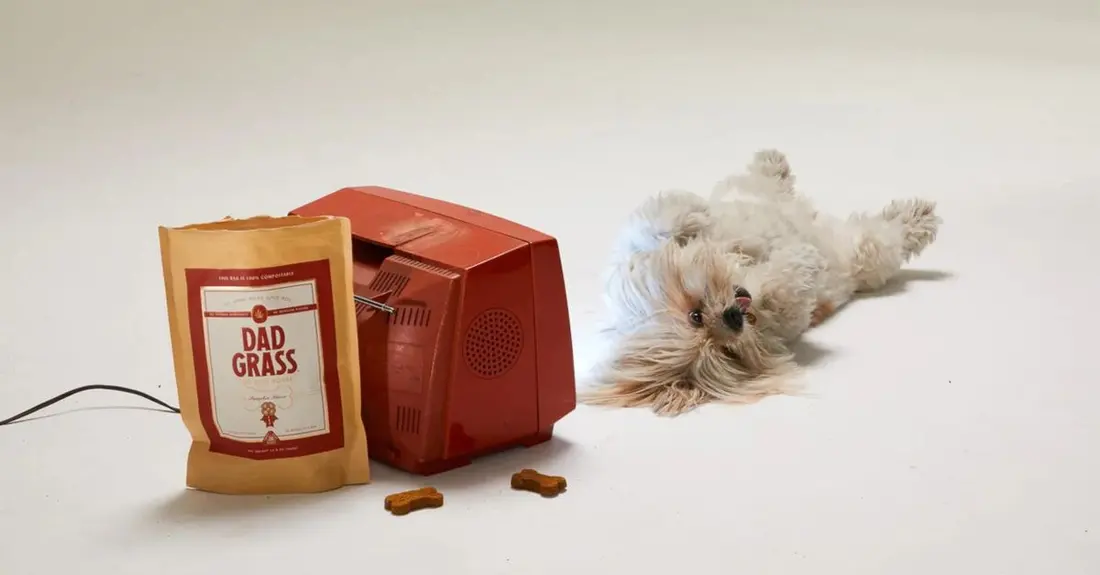
How to read a dog treat label fast
Ignore the front of the bag. "Natural," "premium," and "vet recommended" are marketing, not regulated promises. The ingredient list on the back is the part that has to be true, and it is ordered by weight - so the first two or three ingredients are most of what your dog is actually eating.
- Read the first three ingredients. You want a named meat ("chicken," "beef," "salmon") at or near the top - not a grain or a vague "meat meal."
- Count the list. Three recognizable ingredients beat twenty you cannot pronounce. Length is not automatically bad, but a long list hides more.
- Scan for the red-flag words below. Once you know them, they jump out in a couple of seconds.
That is the whole method. The rest of this post is just the list of words worth reacting to, starting with the only one that is a true emergency.

The genuinely dangerous one: xylitol
If you remember one word from this post, make it xylitol. It is a sugar substitute that is harmless to people and genuinely dangerous to dogs, even in small amounts. It is more common in peanut butter, gum, and baked goods than in dog treats, but it does turn up, sometimes labeled as "birch sugar." Always check the peanut butter before you stuff a toy with it.
A short step down from there are the additives that are not emergencies but that plenty of owners choose to skip:
- Artificial colors. Red 40, Yellow 5, Yellow 6, Blue 2. They exist to make the treat look appealing to you - your dog does not care what color it is. Some dyes have been linked to sensitivities, and none add anything.
- Artificial preservatives: BHA, BHT, ethoxyquin. Used to extend shelf life. There are gentler options - "mixed tocopherols" (vitamin E), vitamin C, and rosemary extract all do the same job.
- Propylene glycol. Used to keep soft and semi-moist treats chewy. Skip it where you can.
Not vet advice
If your dog eats something with xylitol, or you are not sure, call your vet or an animal poison line right away - do not wait for symptoms. And introduce any new treat slowly if your dog has a sensitive stomach or known allergies.
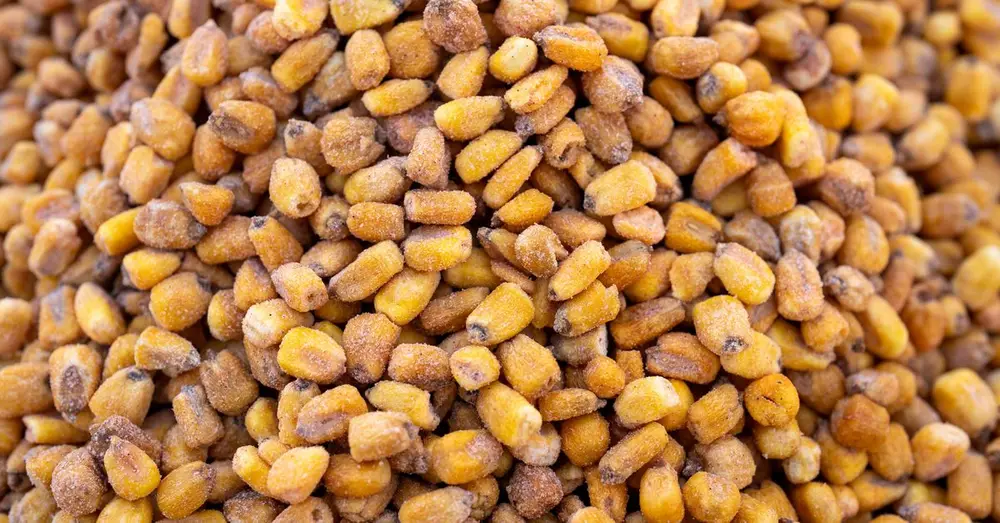
Fillers and cheap padding
This is the bigger, less scary category: ingredients that are not harmful, they are just cheap. They bulk out a bag, add calories, and let a brand charge treat prices for filler. None of these is a reason to panic if your dog has eaten them - they are a reason to compare bags.
- Corn, wheat, and soy. Common, cheap, and low value in a treat. Grains are not evil - plenty of good foods include them - but as the first ingredient in a treat, they are padding, and they are common allergens for the dogs who do react.
- Added sugar, corn syrup, molasses. Pure palatability bait. A treat does not need sugar to be exciting; smell does that job.
- Vague meat: "meat by-product," "animal digest," "meat meal." Not necessarily bad, but if the label will not name the animal, you do not know what you are buying. A named source ("chicken") is the standard to want.
- Generic "animal fat." Same problem - unnamed and usually a sign of a cheaper recipe.
Here is the honest version: a treat with corn in it will not hurt most dogs. But if two bags cost the same and one is mostly chicken while the other is mostly wheat with chicken flavor, you know which is the better buy. This is the same logic behind picking single-ingredient treats and genuinely healthy ones in the first place.
Marketing words that mean almost nothing
Some words are not ingredients at all - they are front-of-bag confidence. They are not lies, exactly, they are just not regulated the way you think they are.
- "Natural flavor." Vague by design. Often fine, but it tells you nothing about what is in it.
- "Made with real chicken." Can mean chicken is the first ingredient - or that there is a trace of it near the bottom of the list. Check where it actually falls.
- "Premium," "gourmet," "holistic." None of these has a legal definition for pet food. They are mood, not information.
- "Grain-free." A real need for some dogs, a marketing default for many bags. Grain-free is not automatically healthier, and it is worth a word with your vet rather than a blanket rule.
The fix for all of it is the same: flip the bag over. The front sells; the back informs. If the front makes a big claim and the back does not back it up in the first few ingredients, trust the back.
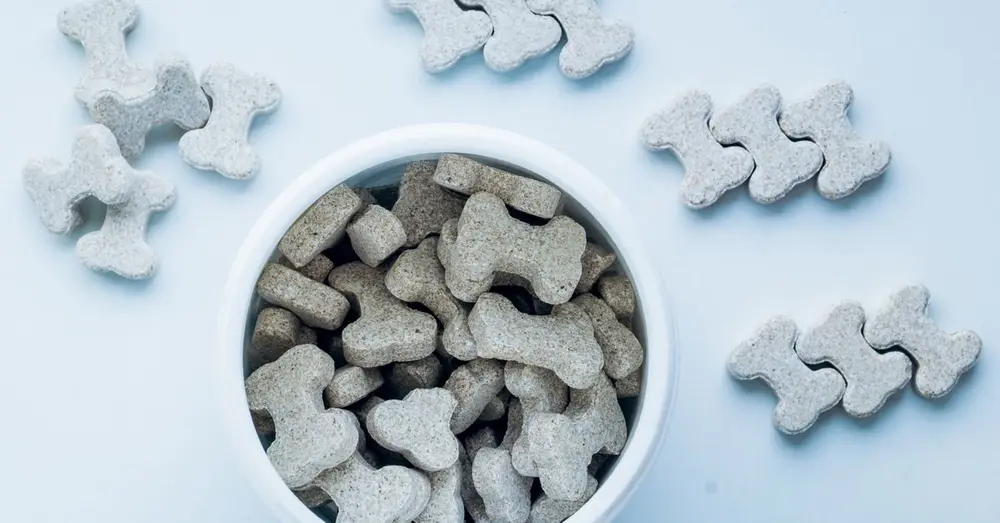
What a clean treat actually looks like
After all that, the solution is almost boringly simple: the fewer ingredients, the less there is to vet. A treat that is just one named meat has no room for dyes, sugar, or filler, because it has no room for anything but the meat.
That is why I lean on single-ingredient treats for everyday rewards. A dried chicken chip is one line on the label - "chicken" - which means there is nothing on this list to scan for. It is also high protein and low calorie, so it does the job without the padding. The American Kennel Club's nutrition guidance and its list of human foods dogs can and cannot eat are both good to keep bookmarked when you are double-checking a label.
The honest caveat
A short ingredient list is not a magic badge. Sourcing still matters - where the meat comes from, how it is handled - and the best label in the world fails if your dog will not eat it. Read the list, check the country of origin, and watch your own dog. That is the whole game.
Straight answers
What ingredients should I avoid in dog treats?
Avoid xylitol (sometimes labeled "birch sugar"), which is genuinely dangerous to dogs. Beyond that, it is worth skipping artificial colors (Red 40, Yellow 5), artificial preservatives (BHA, BHT, ethoxyquin), added sugar, and vague "meat by-product" or "animal digest." Cheap fillers like corn, wheat, and soy are not harmful but add little to a treat.
Is xylitol in dog treats?
It is rare in treats made for dogs but does appear, sometimes as "birch sugar," and it is far more common in human foods like peanut butter and gum. Xylitol is dangerous to dogs even in small amounts, so always check the label of anything you share - especially peanut butter - and call your vet right away if your dog eats it.
Are artificial colors bad for dogs?
Artificial dyes like Red 40 and Yellow 5 are there to appeal to the human buyer, not the dog, and some have been linked to sensitivities. They are not a common emergency, but they add nothing nutritionally, so most owners reasonably choose treats without them.
What does "meat by-product" mean in dog treats?
It refers to parts of the animal other than muscle meat. By-products are not automatically bad, but a vague term like "meat by-product" or "animal digest" does not name the animal, so you cannot tell what you are buying. A clearly named source such as "chicken" is the better signal.
Are grains bad in dog treats?
Not for most dogs. Grains like corn and wheat are common allergens for the minority who react, and as the first ingredient in a treat they are mostly cheap filler. For dogs with no grain issue they are fine in moderation - grain-free is a real need for some dogs and a marketing default for many bags. Ask your vet before making it a rule.
How do I know if a dog treat is good quality?
Flip the bag over and read the ingredient list, which is ordered by weight. Look for a named meat in the first one or two ingredients, a short and recognizable list, and natural preservatives like mixed tocopherols. Single-ingredient treats are the simplest way to be sure there is nothing to scan for.