
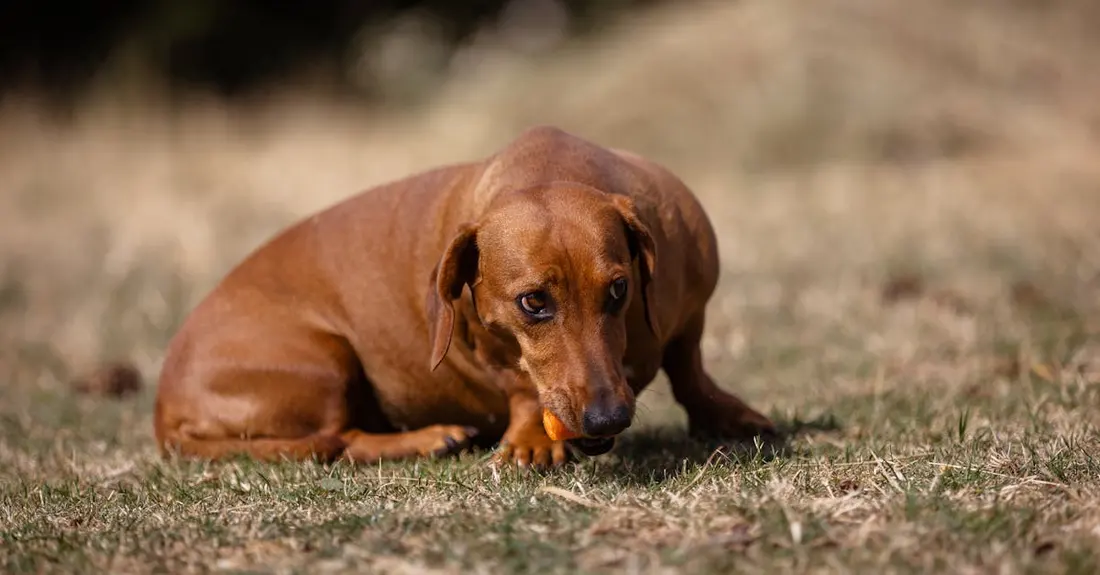
Healthy dog treats are the ones with a short, recognizable ingredient list, a sensible calorie count, and nothing toxic or unnecessary added in. That is the whole test. It is not about a brand, a price, or the word "natural" on the front - it is about what you read on the back and how much of it your dog eats. Get those two things right and almost any treat fits into a healthy diet.
The short version
Pick treats with a short ingredient list you can actually read, keep all treats under about 10% of your dog's daily calories, and steer clear of the toxic stuff (onion, garlic, chocolate, raisins, xylitol). Whole, single-ingredient treats and a few safe human foods - carrot, blueberries, a bit of plain chicken - are some of the healthiest, cheapest options going.
I am Jodi, and I have fed a lot of "healthy" treats to my three dogs - Stella, Ivy, and Piper - here in Ohio. What I learned fast is that what looks healthy on paper and what a dog will actually eat are two different lists. Here is how I actually judge whether a treat earns the word.
What makes a dog treat healthy?
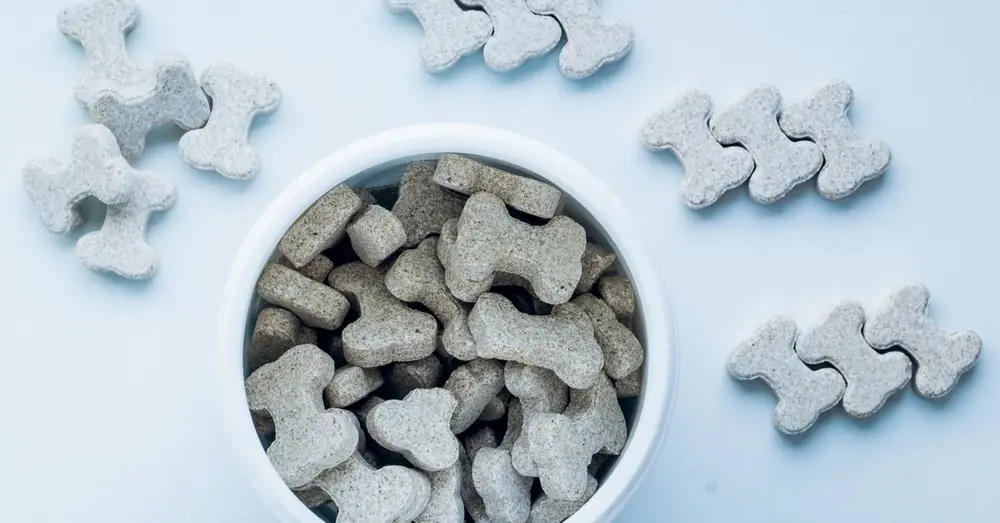
Here is the opinion I will stake out first, because it shapes everything else: "healthy" on the front of a bag is marketing, not a guarantee. The word is not regulated, so any treat can wear it. The only place the truth lives is the ingredient panel on the back. With that in mind, a genuinely healthy treat usually checks four boxes:
- A short, readable ingredient list. Fewer ingredients, all recognizable as food. If you cannot pronounce half of it, that is worth a pause.
- A named protein or whole food first. "Chicken" or "sweet potato," not "meat by-product" or "animal digest." The first ingredient is the biggest one by weight.
- Low in unnecessary extras. No added sugar, no artificial colors, minimal salt, and no fillers padding it out.
- A calorie count that fits your dog. Even a perfect ingredient list is not healthy by the handful. Low-calorie treats let you reward more often, which is its own kind of healthy.
Notice what is not on that list: price, breed-specific marketing, or whether the bag says "premium." A plain carrot clears all four boxes and costs pennies. A twelve-dollar "superfood" treat with sugar as the third ingredient does not.
What ingredients should not be in dog treats?
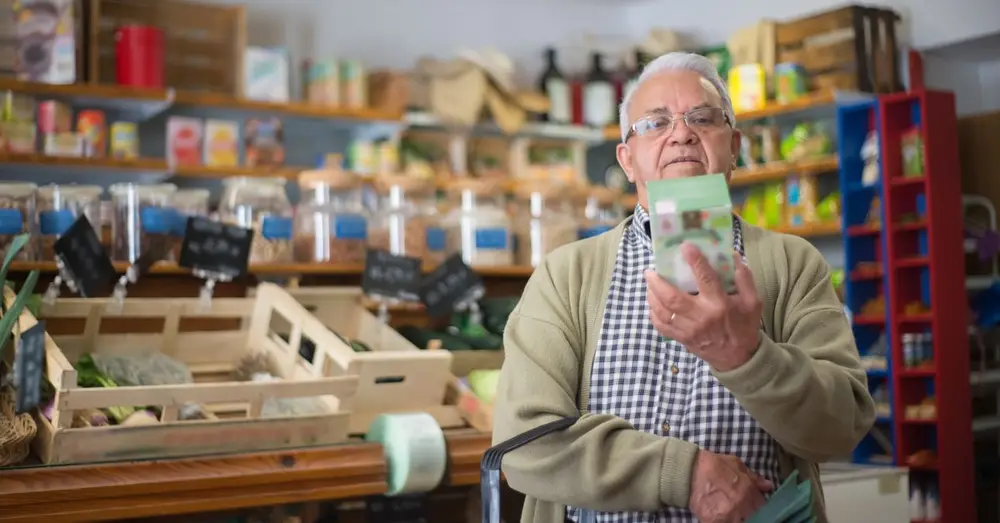
There is a difference between ingredients that are simply unnecessary and ingredients that are genuinely unsafe. Both are worth knowing. Start with the unnecessary ones - common in cheap treats, not dangerous, just not doing your dog any favors:
- Added sugars and syrups. Listed as sugar, corn syrup, molasses, or sucrose. Empty calories.
- Artificial colors and flavors. The dye is for you, not your dog - dogs do not care what color a treat is.
- Vague "meat" terms. "Meat by-product" or "animal digest" tells you nothing about the source.
- Lots of fillers. Corn, wheat, and soy near the top of the list usually mean the treat is bulked out cheaply.
Then there are the ingredients that are genuinely toxic to dogs and should never appear in anything they eat. The ASPCA's list of people foods to avoid is the one to bookmark:
Never safe for dogs
Onion and garlic (including powders), chocolate, raisins and grapes, macadamia nuts, and xylitol (a sweetener sometimes labelled "birch sugar," common in peanut butter and sugar-free products). These are not "limit it" foods - they are keep-them-away foods. Our notes on treat ingredients to avoid go deeper.

The healthiest types of store-bought treats
If you are shopping rather than cooking, a few categories tend to come out cleanest. None of these is automatically "the healthiest" - that depends on your dog - but they are the ones where a short, honest label is common:
- Single-ingredient treats. One protein or one whole food, nothing else. The simplest label you can buy - our guide to single-ingredient treats covers why that matters.
- Dehydrated and freeze-dried. Drying concentrates a whole food without needing binders or preservatives. A thin dehydrated chicken chip is a good example - high protein, low calorie, snaps into small pieces.
- Low-calorie training treats. When you hand out dozens a day, calories are the health issue. Lean, tiny treats keep the math friendly - more in our low-calorie treats guide.
- Dental chews with simple recipes. Useful for some dogs, but read the label - plenty are surprisingly high in calories and additives.
One lesson the hard way: do not assume your dog likes the "healthy" favorite everyone swears by. I was sure all three of mine would inhale peanut butter - one of them wants nothing to do with it. The cleanest label in the world does not matter if it goes uneaten, so watch your own dog as closely as you read the ingredient list.
Healthy human foods you can use as treats
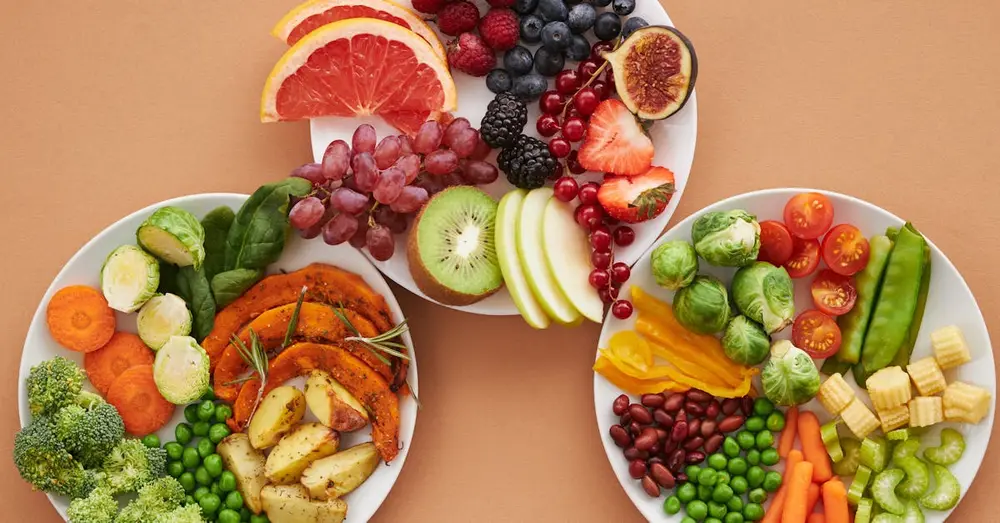
Some of the healthiest treats are not treats at all - they are whole foods from your own kitchen, served in dog-sized pieces. They are cheap, low in calories, and you know exactly what is in them. A few reliable ones, all on the AKC's list of dog-safe fruits and vegetables:
- Carrots. Crunchy, low-calorie, and good for a dog who likes to chew. Raw sticks or frozen on a hot day.
- Blueberries. Tiny, antioxidant-rich, and perfect as a one-bite reward.
- Apple slices. Crunchy and a little sweet - just skip the core and seeds.
- Plain pumpkin. A spoonful of plain canned pumpkin (not pie filling) is a fiber-friendly favorite.
- Green beans. Plain, cooked or raw, a great low-calorie filler for dogs watching their weight.
- Plain cooked chicken. Small unseasoned pieces are top-tier value for training - no salt, no oil, no skin.
The rules are simple: serve plain (no butter, salt, or seasoning), keep pieces small, introduce one new food at a time, and count them toward the daily treat budget. And skip the toxic list above - a "healthy" human food is only healthy if it is actually safe for dogs.

How many treats can a dog have a day?
This is the part that matters more than any ingredient list, and it is the part most "healthiest treats" articles skip. Treats should make up no more than about 10% of your dog's daily calories - a guideline you will see echoed by most vets and by the AKC's nutrition advice. The healthiest treat in the world stops being healthy if half the day's calories come from it.
- The percentage beats any fixed number. The same biscuit is a crumb for a Labrador and a meal for a Chihuahua. Size scales everything.
- Break treats into smaller pieces. One treat snapped into three or four rewards is three or four moments of joy for a fraction of the calories.
- Count the calories you cannot see. Dental chews, stuffed toys, and "just one" off your plate all add up faster than the bag suggests.
Are treats bad for dogs? No - over-treating is. If your dog is gaining weight, trim the treats before you cut the meals; treats are almost always the hidden culprit. This is also where the low-calorie, single-ingredient stuff earns its place: it lets you reward generously without the waistline creeping up.
Healthy treats for puppies and small dogs
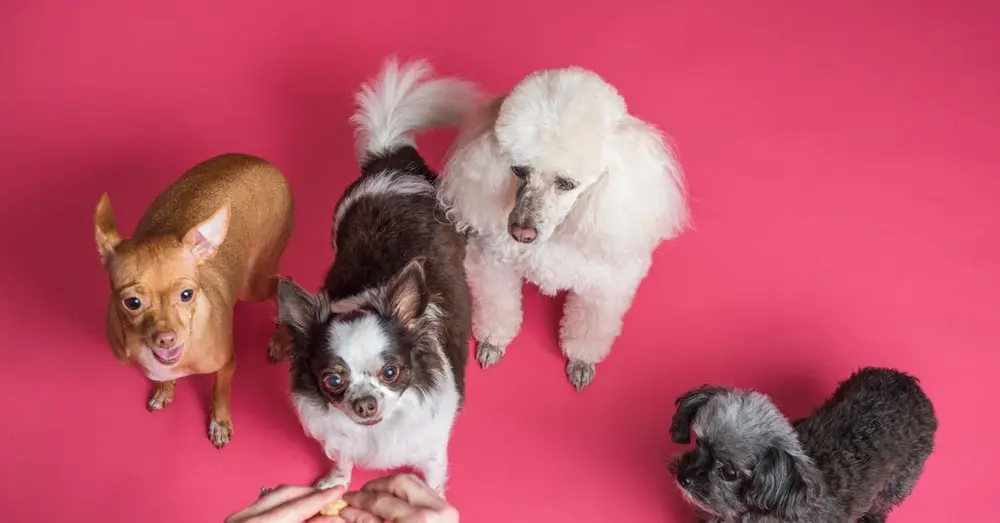
Puppies and small dogs run into the same wall from opposite directions: a tiny calorie budget. A treat that is a rounding error for a big dog can be a real chunk of a Chihuahua's or a young puppy's day, so the single most important move is to shrink the pieces, not the frequency.
- Small dogs: break treats down to pea-sized or smaller, and lean on naturally tiny options like a single blueberry or a sliver of chicken.
- Puppies: keep pieces rice-grain small, favor soft textures that are kind on new teeth, and use a lot of their own kibble so you are not stacking extra calories.
When I am rewarding a smaller dog or a puppy, I keep the pieces tiny - a single blueberry torn in half, or a sliver of plain chicken - so a long session does not quietly turn into a second dinner. For more on sizing and timing, our training treats guide goes deeper.
How to make healthy dog treats at home
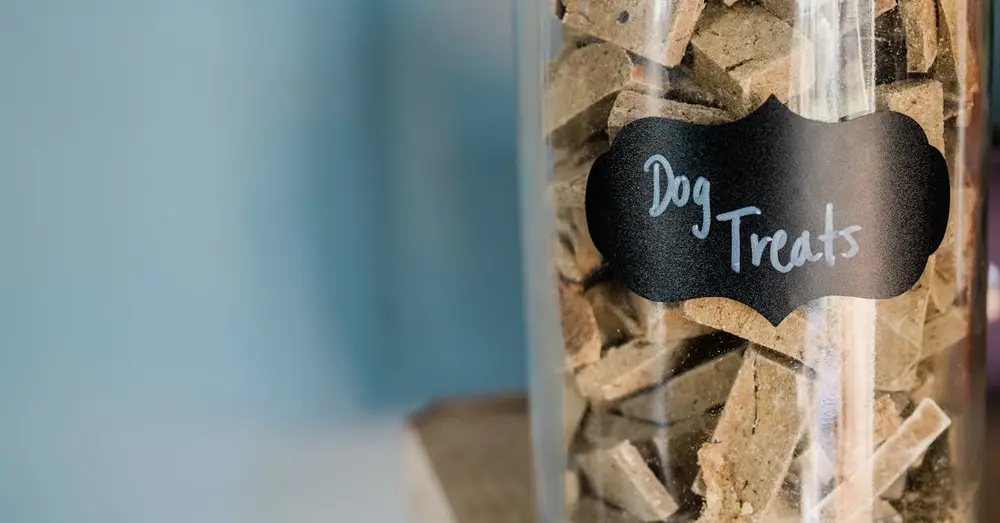
Homemade is the cheapest way to a genuinely clean treat, because you control every single thing that goes in. You do not need a recipe to start - a tray of thin-sliced chicken dried low and slow is a one-ingredient treat. But if you want a simple baked option:
- Mash one ripe banana or half a cup of plain pumpkin with one egg.
- Stir in about a cup of oat flour until you have a thick batter.
- Spread thin on a lined tray and bake at 350°F for 15-20 minutes, until set.
- Cool fully, then cut into small squares. Keep a few days' worth in the fridge and freeze the rest.
One safety note
Keep it to dog-safe ingredients only - skip chocolate, raisins, onion, garlic, and any peanut butter containing xylitol. With no preservatives, treat homemade like fresh food: a few days in the fridge, longer in the freezer.
Honestly, you do not have to choose. I make a batch when I have spare chicken in the fridge and buy a good single-ingredient bag the rest of the time. Whatever keeps clean treats in the house and your dog happy is the right call.
Straight answers
What dog treats are healthy?
The healthiest treats have a short, recognizable ingredient list, a named protein or whole food first, no added sugar or artificial colors, and a calorie count that suits your dog. Single-ingredient treats, dehydrated or freeze-dried whole foods, and safe fresh foods like carrot and blueberries are reliable picks.
What are the healthiest dog treats?
There is no single healthiest treat - it depends on your dog. That said, single-ingredient and minimally processed treats tend to have the cleanest labels, and fresh foods like carrots, green beans, blueberries, and plain cooked chicken are low-calorie and nutritious. The "healthiest" one is the clean treat your dog will actually eat in sensible amounts.
Are dog treats bad for dogs?
No - over-treating is the problem, not treats themselves. Keep all treats under about 10% of your dog's daily calories, choose simple ingredients, and avoid toxic foods, and treats are a healthy part of training and bonding. If your dog is gaining weight, trim treats before cutting meals.
What human foods are healthy treats for dogs?
Carrots, blueberries, apple slices (no core or seeds), plain pumpkin, green beans, and small pieces of plain cooked chicken are all safe, low-calorie options. Serve them plain with no salt, butter, or seasoning, keep pieces small, and count them toward the daily treat budget.
What ingredients should not be in dog treats?
Avoid added sugars, artificial colors and flavors, vague "meat by-product" terms, and heavy fillers like corn and wheat - these are low-quality but not dangerous. Genuinely toxic ingredients that should never appear include onion, garlic, chocolate, raisins, grapes, macadamia nuts, and xylitol.
How many treats can a dog have a day?
Keep all treats under about 10% of your dog's daily calories. The exact number depends on your dog's size and the treat's calories, so break treats into smaller pieces, use part of their kibble for easy training, and trim dinner a little on heavy treat days.