
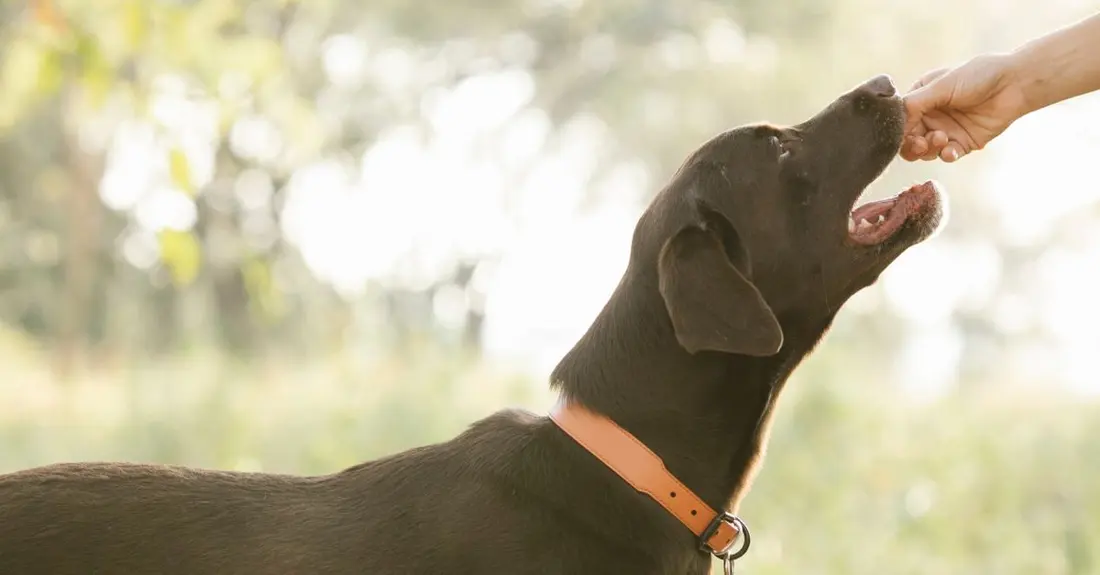
Low-calorie dog treats are treats small or lean enough that you can hand out a lot of them without tipping your dog over their daily calories. As a rough bar, anything around 3-5 calories a piece is easy to reward with all day; whole foods like carrots and green beans, and thin single-ingredient meat treats, sit right in that range. The number on the back of the bag matters more than the word "healthy" on the front.
The short version
Pick treats you can give often without the calories adding up: small whole foods (carrot, green beans, blueberries), plain cooked lean meat, or thin dried single-ingredient chips. Keep all treats under about 10% of your dog's daily calories, break treats into smaller pieces, and trim dinner a little on a heavy training day. None of this is vet advice - calories and any diet plan are between you and your vet.
I am Jodi, and between Stella, Ivy, and Piper I go through a genuinely silly number of treats - especially when Piper, the kook of the pack, is "helping" with training. Low-calorie is the only way I can reward that often and still keep three dogs at a sensible weight. Here is what I actually reach for, and how I keep the count honest.

What makes a dog treat low-calorie?
There is no official line, but a useful working bar is this: a low-calorie treat is one you can give many times a day without the calories mattering much. In practice that means roughly 3-5 calories a piece for a training-sized reward, and not much fat. A treat at 30 or 40 calories is not "bad," it just is not something you hand out fifty times in a session.
The trick most people miss is reading the label the right way. Bags list calories two ways: per treat (kcal/treat) and per kilogram (kcal/kg). For training, per-treat is the number you care about - aim for low single digits. The per-kilogram figure is a density measure; lower is leaner, but it only helps once you know how big one treat actually is.
- Per treat. The real-world number. Under ~5 calories is great for training; under ~10 is still easy to manage.
- Calories per kilogram. A density read on the recipe. Leaner treats run lower, but a "low-density" treat the size of a cookie can still be a lot of calories.
- Fat near the top of the list. Fat carries more than twice the calories of protein, so the leaner the treat, the more often you can use it.
Whole foods make this easy because the numbers are tiny by nature. A thin single-ingredient meat chip is the other easy win - a typical dried chicken chip is only about 5-8 calories, and it snaps into three or four pea-sized pieces, so one "treat" becomes several near-zero-cost rewards.
Why low-calorie treats are worth it
Because treats are where the calories sneak in. More than half of dogs in the US are carrying extra weight, and the usual culprit is not dinner - it is the steady drip of treats, table scraps, and "just one more" through the day. Lean treats are how you keep rewarding generously without that drip turning into a problem.
The number to anchor on is the 10% rule: most vets suggest keeping treats under about 10% of your dog's daily calories, with the other 90% coming from a complete, balanced diet. The American Kennel Club's nutrition guidance is a solid baseline, but your vet can give you a real daily number for your specific dog.
Here is the honest version
Low-calorie treats are not magic and they will not slim a dog down on their own - that is diet and exercise, and a conversation with your vet. What they do is buy you room. When each reward costs almost nothing, you can train more, reward faster, and stop rationing the good stuff.
The best low-calorie dog treats
You do not need a special bag for most of this. Some of the best low-calorie treats are whole foods you already have, and they cost close to nothing per reward.
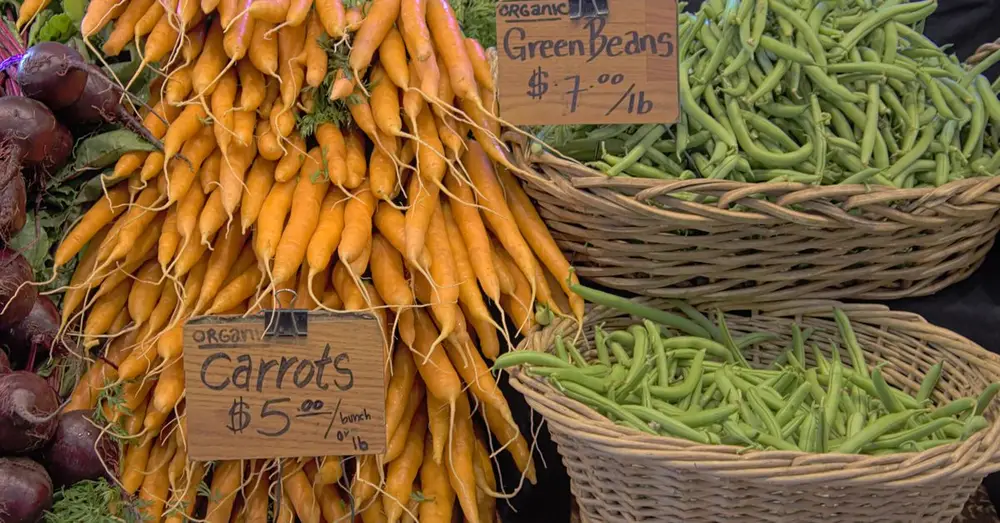
- Carrots. A baby carrot is about 4 calories, crunchy, and most dogs love them. Raw sticks or frozen on a hot day.
- Green beans. Plain, cooked or raw, very low calorie, and good for a dog who likes volume. A long-standing favorite for dogs watching their weight.
- Cucumber and celery. Mostly water. A few crunchy slices cost almost no calories at all.
- Blueberries. A few calories for a small handful, and they double as a soft, fast training reward. (Some dogs spit them out - palatability is individual.)
- Apple slices. No core, no seeds. A little sweeter, still low calorie, easy to break small.
- Plain cooked lean meat. A few shreds of plain chicken or turkey breast, no oil or seasoning, is a high-value reward for not many calories.
For a label you can read and a treat that holds up in a pocket, thin dried single-ingredient meat is the store-bought version of the same idea. A dehydrated chicken chip is high protein, low calorie, and snaps into small pieces - which is exactly why it shows up so often in the healthy treats conversation. The AKC keeps a useful list of human foods dogs can and cannot eat if you want to double-check anything from your fridge first.
Treats to use sparingly (and what to skip)
Not every treat needs to be low-calorie - you just need to know which ones are paydays, not everyday rewards. These are fine in small amounts; they are simply not what you hand out by the dozen:
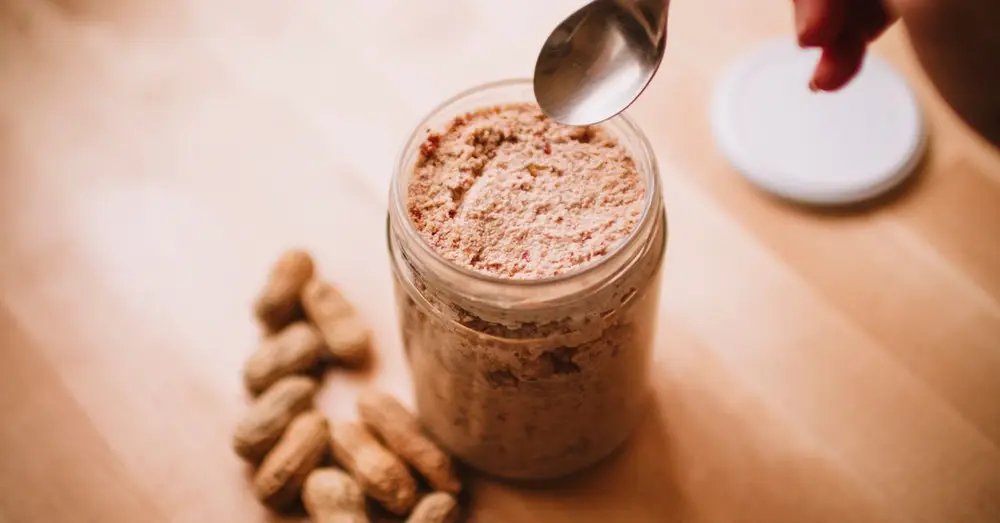
- Peanut butter. About 96 calories a tablespoon. Great smeared thin in a puzzle toy, easy to overdo by the spoonful. Check that it is xylitol-free first.
- Cheese. A string cheese stick is roughly 80-90 calories. A pea-sized piece is a fine high-value reward; a whole stick is most of a small dog's treat budget.
- Most biscuits and chews. Often 20-40 calories each or more. Nothing wrong with them, but they are a snack, not a training currency.
Separately, a few common foods are not a calorie question at all - they are off the list entirely. Onion, garlic, grapes, raisins, and anything with xylitol can be genuinely dangerous for dogs, so skip them regardless of calories. When you are not sure about a food, the AKC's can-eat / cannot-eat guide is the quick check, and your vet is the final word.
Low-calorie treats for training
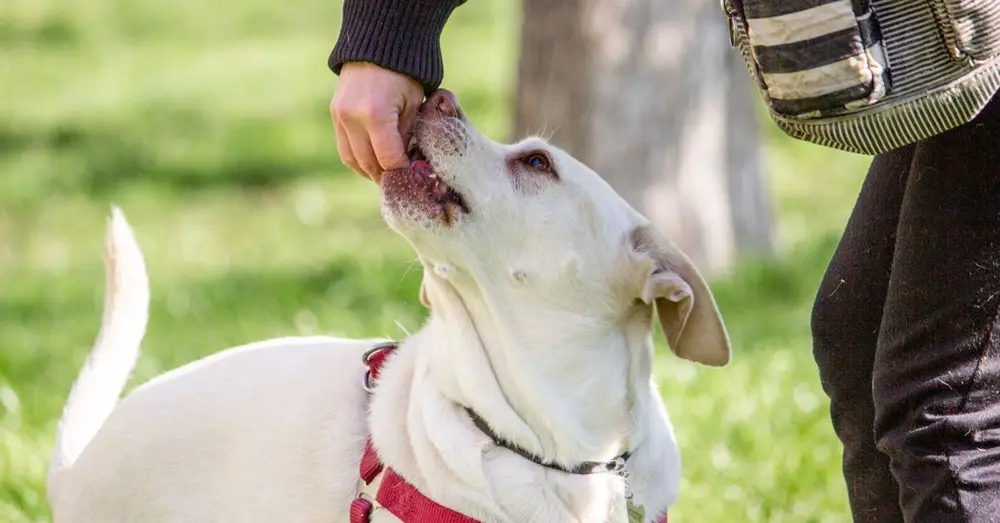
This is where low-calorie really earns its place. Good training runs on volume - you might hand out fifty rewards in a five-minute session - so the calories per piece matter more here than anywhere else. That is why people search specifically for low calorie training treats for dogs: the format that works for everyday snacking can put real weight on a dog when you use it for drills.
Two things keep training treats low-calorie in practice. First, make the pieces genuinely tiny - pea-sized is plenty, and a dog does not reward-check the size. Second, break bigger treats down: one thin chicken chip becomes three or four rewards. For the full breakdown of what makes a great training reward, our guide to the best dog treats for training goes deeper, and the training treats post covers how to build a tiered system so the exciting stuff stays exciting.
The one real win I will stand behind
I taught all three of mine to wait at the curb before crossing, and that took a lot of repetitions and a lot of treats. There is no way I could have done it with 30-calorie biscuits without all three ending up round. Tiny, lean rewards are what made the volume possible.
How to fit treats into your dog’s day
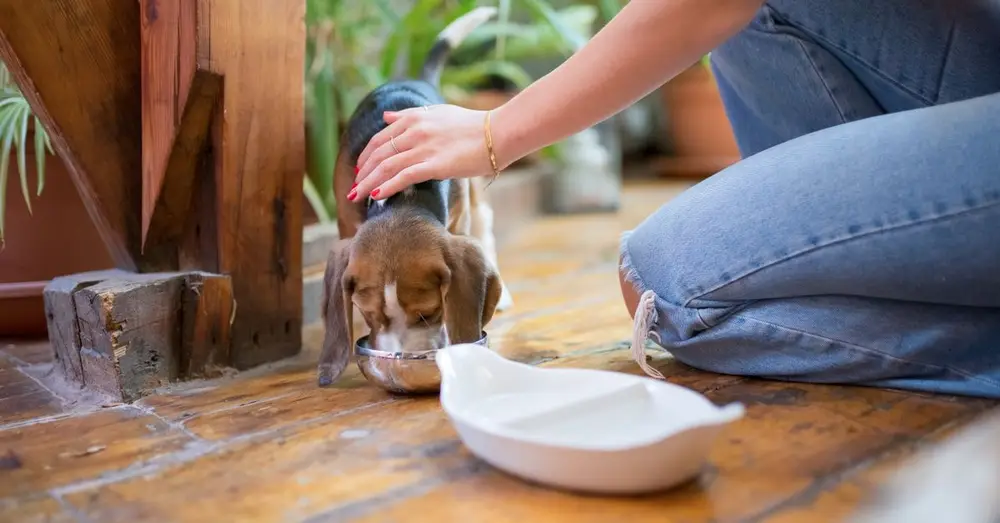
Low-calorie treats make the math friendly, but a little bookkeeping keeps it honest. None of this is complicated:
- Know roughly how many calories your dog should eat in a day. Your vet can give you the number, or it is on your food's feeding guide as a starting point.
- Keep treats under about 10% of that. For a lot of dogs that is a surprisingly small budget, which is exactly why lean treats help.
- Count training sessions. Fifty pea-sized rewards still add up - low-calorie just means they add up slowly.
- On a heavy treat day, trim dinner a little to balance it out. Subtracting a spoonful of kibble is easier than it sounds.
And here is the honest "skip it" note: if your dog is already at a healthy weight and you only treat lightly, you do not need to overthink any of this. The low-calorie game matters most if you train a lot, you have a dog who gains easily, or your vet has flagged weight. If your dog flatly refuses vegetables, do not fight it - a tiny piece of lean meat or a broken-up chicken chip does the same job. Whatever your dog will actually work for, used in sensible amounts, is the right answer.
Straight answers
What are good low-calorie dog treats?
Small whole foods are the easiest low-calorie treats: baby carrots (about 4 calories), green beans, cucumber, blueberries, and apple slices with no seeds. Plain cooked lean chicken and thin single-ingredient dried meat chips are good higher-value options. The common thread is small size and low fat, so you can reward often.
What is the lowest calorie dog treat?
Watery vegetables like cucumber, celery, and green beans are about as low as it gets - often just a calorie or two per piece. Among store-bought options, some training treats are made at around 2-3 calories each. Always check the per-treat calorie figure on the bag rather than trusting the word "light" on the front.
How many treats can a dog have on a diet?
Keep all treats under about 10% of your dog's daily calories, and let your vet set the daily number if your dog is on a weight plan. Low-calorie treats stretch that budget further, and breaking treats into smaller pieces stretches it further still. Count training rewards too - they add up.
Are carrots a good low-calorie treat for dogs?
Yes. A baby carrot is only about 4 calories, most dogs enjoy the crunch, and you can serve them raw or frozen. Keep pieces sized to your dog to avoid choking, and count them toward the daily treat budget like anything else.
How many calories should a dog treat be?
For training, aim for low single digits per piece - under about 5 calories lets you reward fifty times without much impact. For an occasional snack, 10-20 calories is fine. What matters is the total: keep all treats under roughly 10% of the day's calories.
Can I use low-calorie treats for training?
That is exactly where they shine. Training uses a lot of rewards, so low calories per piece keeps the session from putting on weight. Tiny pieces of lean meat, broken-up dried chicken chips, or small soft training bites all work - just keep each reward pea-sized.
What treats can help an overweight dog?
Lean, low-calorie treats let you keep rewarding while your vet's diet plan does the real work - things like green beans, carrots, and thin single-ingredient meat. Treats alone will not slim a dog down; weight change comes from overall calories and exercise. Talk to your vet before changing your dog's diet.