
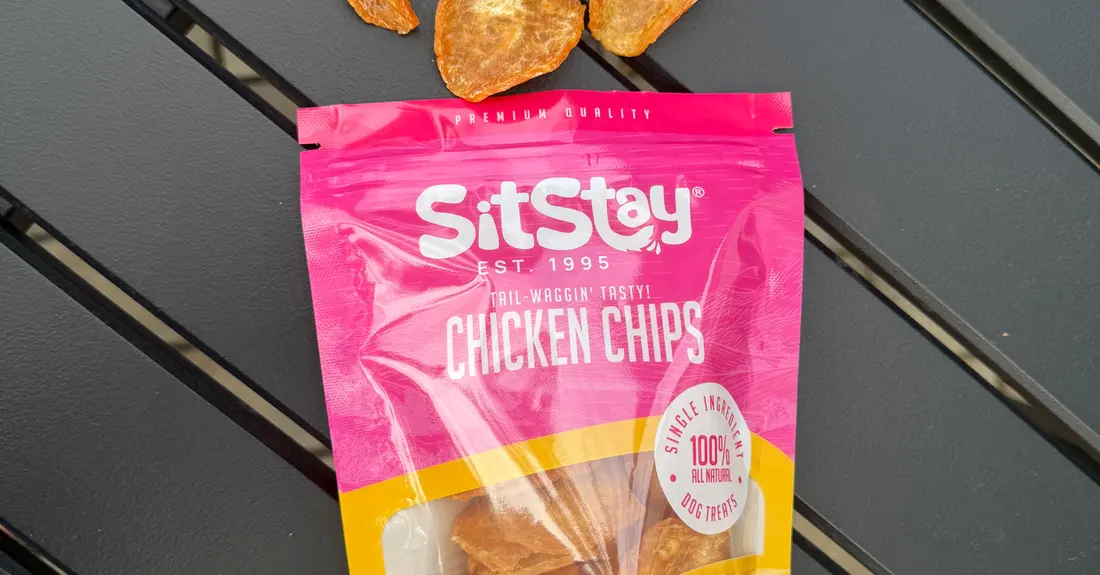
High-protein dog treats are treats made mostly of real meat, fish, or eggs, so most of what your dog is eating is actual protein instead of grain, starch, or filler. The cleanest ones are single-ingredient - one named meat and nothing else. They are popular for active dogs and for training, because protein is what dogs are largely built to run on, and because a meaty reward is one most dogs will happily work for.
The short version
A genuine high-protein treat lists a named meat - chicken, beef, salmon - first, ideally as the only ingredient, with no corn, wheat, soy, added sugar, or artificial extras. Keep all treats under about 10% of your dog's daily calories, match the treat to your individual dog, and remember that the words "high protein" on the front of a bag are marketing, not a regulated promise. The back of the bag is where the truth is.
Between three dogs, I have bought plenty of treats that promised protein and delivered crumbs. Here is what I actually check for now, and why a plain piece of dried chicken usually wins.
What counts as a high-protein dog treat?
There is no legal cutoff that earns a treat the words "high protein," which is exactly why the phrase shows up on bags that are mostly flour. In practice, a treat is genuinely high in protein when a named animal protein is the first ingredient and there is very little non-meat riding along with it. The fewer the fillers, the more of each bite is the thing you actually want.
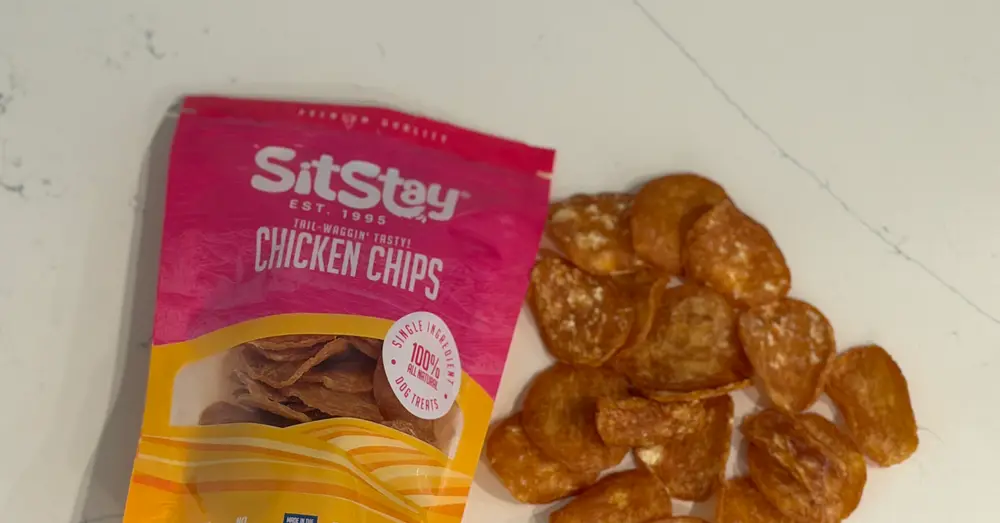
Here is the part the label rarely explains: drying concentrates protein. When you pull the water out of plain chicken breast, what is left is mostly protein by weight, which is why a single-ingredient dehydrated meat treat can be one of the most protein-dense things in the aisle without a single additive. A soft, moist treat made from the same meat looks lower on paper simply because it still holds a lot of water. Same chicken, different math.
- A named meat first - "chicken" or "beef," not "meat by-product" or "animal digest."
- Few or no non-meat ingredients - the shorter the list, the better.
- Single-ingredient is the ceiling - one meat, nothing else, is as high-protein and as clean as a treat gets.
That is the whole appeal of a plain single-ingredient treat: you flip the bag, read one word, and you already know it is protein and not padding.

Why protein matters for dogs
Protein is the nutrient a dog's body uses to build and repair muscle, grow skin, coat, and nails, and make the enzymes and antibodies that keep everything running. Dogs are not strict carnivores the way cats are, but they are built to get a meaningful share of their calories from animal protein, and animal proteins are "complete," meaning they carry all the essential amino acids a dog cannot make on its own. The American Kennel Club's nutrition basics are a good plain-English starting point.
- Muscle - built and maintained, which matters most for active, working, and growing dogs.
- Skin, coat, nails, and the everyday tissue repair going on under the hood.
- A fuller, more satisfied dog, since protein is the filling part of a meal.
None of that means more is automatically better, which is a point worth coming back to. But for a healthy dog, a protein-forward treat is a sensible, satisfying reward rather than empty calories - and a great training reward when you are handing out a lot of them.
How much protein does a dog actually need?
Your dog's real protein needs are met by their main food, not their treats. As a general reference, complete adult dog foods are formulated to a dietary protein minimum on the order of 18% on a dry-matter basis, with puppies and nursing mothers needing more - figures that trace back to AAFCO nutrient profiles. Active dogs, puppies, and seniors can all have different needs, so treat exact numbers as a conversation to have with your vet rather than a target to chase with snacks.
The 10% rule still applies
However high-protein a treat is, it is still a treat. Keep all treats combined under about 10% of your dog's daily calories so the balanced part of the diet stays balanced. High protein does not buy a treat a bigger slice of the day.
For dogs with specific health conditions, protein is one of the things a vet may want to manage up or down, so check before you lean hard on protein-heavy snacks. For more on building treats into a sensible diet, our guide to choosing healthy dog treats covers the label and the calorie math in one place.
The best protein sources for treats
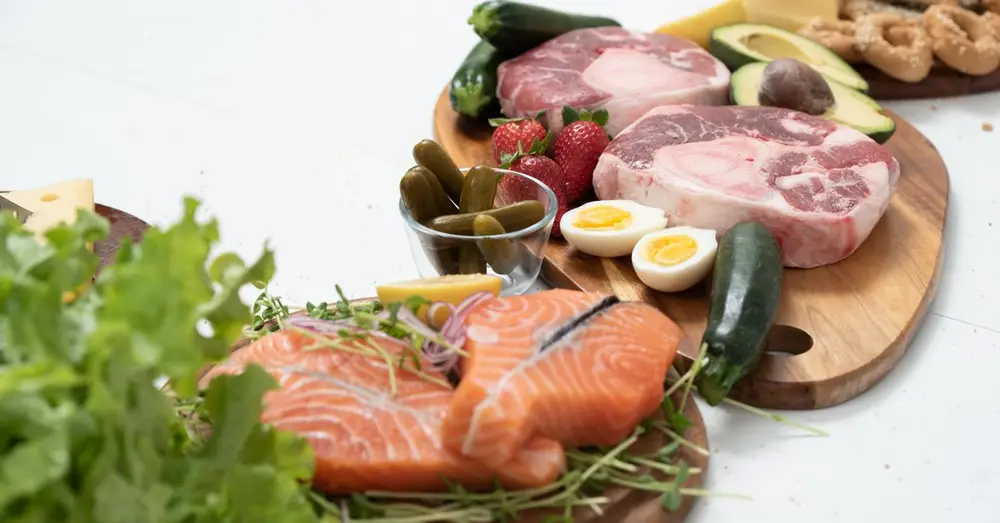
Most high-protein treats are built on one of a handful of animal proteins, and there is no single "best" one - the right pick depends on your dog. Here is how the common options compare.
- Chicken - lean, mild, widely available, and well tolerated by most dogs. A sensible default and the leanest of the everyday proteins.
- Turkey - similar to chicken, lean and gentle, and a useful alternative if chicken does not agree with a dog.
- Beef and lamb - richer and higher in fat, very palatable, and a good motivator for picky eaters.
- Salmon and other fish - protein plus omega-3 fatty acids; a popular pick for skin and coat.
- Organ meats like liver and heart - extremely nutrient-dense and intensely flavored; a little goes a long way.
- Novel proteins (duck, venison, rabbit) - useful for dogs with sensitivities to the common proteins, because the body has not seen them before.
If your dog has a sensitive stomach or a suspected food sensitivity, a single, simple protein makes it far easier to know what you are feeding. Lean chicken in particular is hard to beat as a default: high protein, low fat, and easy on most dogs.
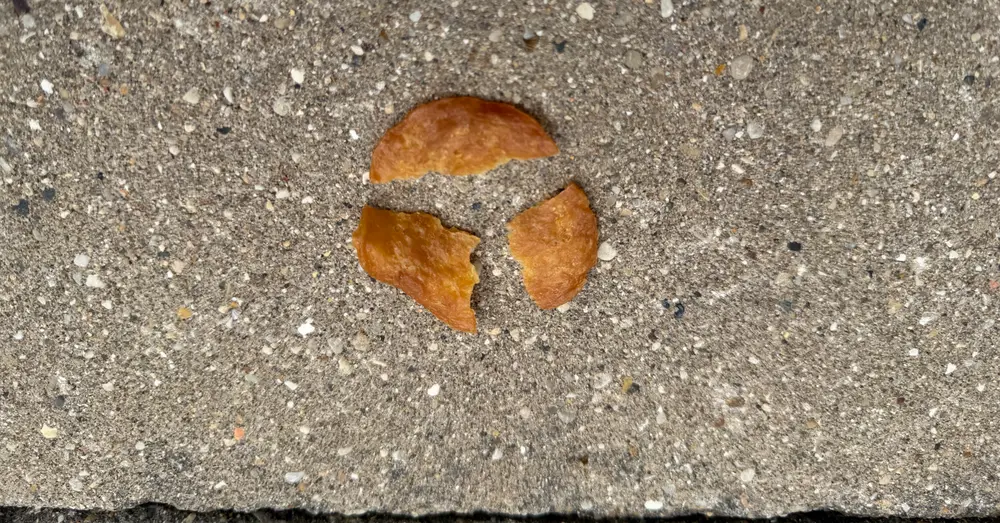
High-protein treat formats, compared
Two treats can both say "high protein" and be worlds apart, because the format does a lot of the talking. The honest tradeoffs:
- Freeze-dried - keeps most of the protein and nutrients of raw meat and stays light and crunchy; the catch is price.
- Dehydrated - dried low and slow; a single-ingredient dehydrated meat is concentrated, clean, and shelf-stable, which is why it tends to be one of the most protein-dense honest options.
- Jerky - meat-forward and chewy, but read the label: some jerky adds sugar or glycerin, and imported jerky has had sourcing concerns worth reviewing.
- Meat sticks and "protein" puffs - convenient, but baked and puffed formats are often padded with starch, which quietly dilutes the protein.
- Soft and semi-moist - easy to tear for training, but they hold water and frequently add glycerin, sugar, or preservatives, so the protein density is usually lower than it looks.
If you want the most protein with the least baggage, a dehydrated, single-ingredient meat treat is hard to beat: drying concentrates the protein, and "one ingredient" means there is nothing in there to dilute it. Our own chicken chips are simply that - dried chicken breast, nothing added - which is the whole reason that format keeps coming up in a protein conversation.

How to choose a genuinely high-protein treat
Ignore the front of the bag and turn it over. Five quick checks separate a real high-protein treat from a marketed one.
- Read the first ingredient. A named meat (chicken, beef, salmon) should lead. If grain, flour, or starch is first, the "protein" is mostly on the front of the bag.
- Count the non-meat ingredients. The shorter the list, the more of the treat is actual protein. One ingredient is the gold standard.
- Watch for added sugar, glycerin, and salt. These show up in soft treats and jerky and add nothing your dog needs.
- Check the country of origin. Favor a clearly named US or Canadian source; vague "imported" with no detail is the one to be cautious about.
- Size it for your dog. A high-protein treat you have to break into crumbs for a small dog is fine - just keep the daily total under that 10% line.
If reading labels is new to you, our guide to chicken chips walks through exactly what a clean panel looks like versus a padded one.

Simple homemade high-protein treats
If you want to know exactly what is in a high-protein treat, make it. The simplest version is dried chicken breast and nothing else, and it is genuinely hard to mess up.
- Slice boneless, skinless chicken breast about an eighth of an inch thick - thinner dries faster and crisper.
- Lay the strips flat in a single layer, not touching.
- Dry them low and slow: a dehydrator around 160°F, or a low oven (170-200°F) with the door cracked, for roughly 3-6 hours.
- They are done when fully dry and firm with no soft or shiny spots. Cool completely before serving.
Keep it plain - no salt, oil, onion, or garlic - and because there are no preservatives, store homemade treats airtight and use them within about two weeks (longer in the fridge or freezer). A plain scrambled egg or a few bits of plain cooked chicken work in a pinch, too.
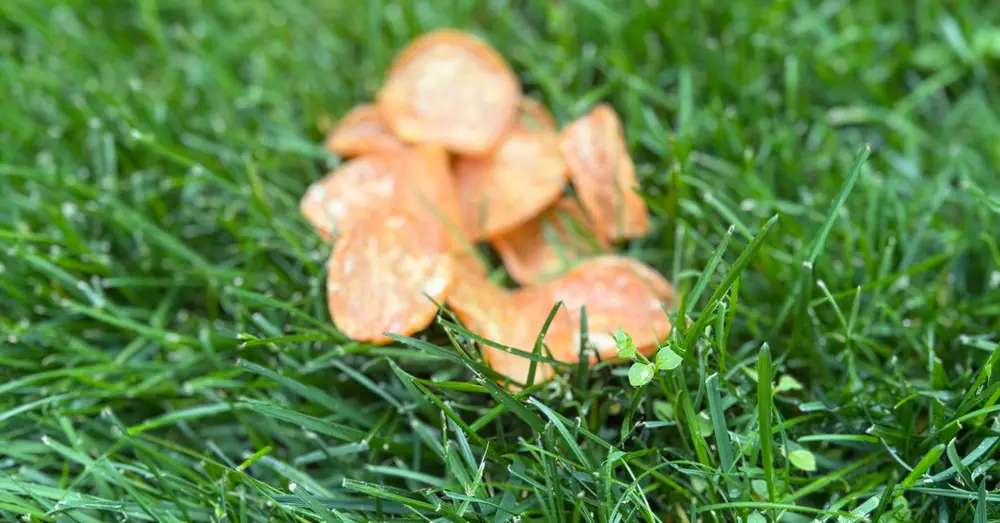
When high-protein is not the goal
Here is the honest part most "best high-protein treats" lists skip: more protein is not automatically better for every dog. For a healthy, active dog, a protein-forward treat is a great choice. But some dogs are better served by going easier on it.
- Dogs with certain kidney or liver conditions may need protein managed carefully - this is a vet conversation, not a guess.
- Couch-potato and senior dogs do not need a protein megadose, and rich treats can add up in calories.
- Weight-watchers should still mind the calories; "high protein" does not mean "free."
If your dog has a health condition, let your vet steer the protein question (veterinary nutrition resources like Tufts Petfoodology are a good, science-based read). For a healthy dog with no such flags, the simplest answer is also the cleanest: a single-ingredient dehydrated chicken treat is high in protein, low in nearly everything else, and easy to portion for training. That is the niche our chicken chips sit in, and it is why a plain piece of dried chicken keeps winning against fancier bags.
Straight answers
What are high-protein dog treats?
High-protein dog treats are treats made mostly of real meat, fish, or eggs, so the bulk of each bite is animal protein rather than grain, starch, or filler. The cleanest are single-ingredient - one named meat and nothing else. Because there is no legal definition of "high protein," the only way to be sure is to read the ingredient list and look for a named meat first.
Are high-protein dog treats good for dogs?
For most healthy dogs, yes - protein supports muscle, skin, coat, and everyday energy, and a meaty treat is a satisfying training reward. The cautions are moderation (keep all treats under about 10% of daily calories) and individual health: dogs with certain kidney or liver conditions may need protein managed, so check with your vet.
How much protein does a dog need?
A dog's protein needs are met mainly by their complete, balanced food, not their treats. As a general reference, adult dog foods are formulated to a dietary protein minimum around 18% on a dry-matter basis, with puppies needing more. Treats are extra calories, so keep them modest regardless of how high-protein they are, and ask your vet about your individual dog.
Can dogs have too much protein?
A healthy dog generally handles dietary protein well, and extra is used or passed rather than stored as a problem. With treats, the bigger issue is usually calories and fat, not protein itself. Dogs with specific kidney or liver conditions are the exception - they may need protein managed, which is a conversation for your vet.
What is the best protein for dog treats?
There is no single best protein - it depends on your dog. Chicken is a lean, mild, widely tolerated default; turkey is a similar alternative; beef and lamb are richer and very palatable; fish adds omega-3s; and novel proteins like duck or venison help dogs with sensitivities. Lean chicken is hard to beat as an everyday, high-protein, low-fat option.
Are high-protein treats good for puppies?
Growing puppies need more protein than adult dogs, so a clean, named-meat treat is fine in moderation - just keep pieces small and within the 10% treat limit so they do not crowd out the balanced puppy food doing the real nutritional work. Avoid treats with a lot of added sugar, salt, or fillers.
What is the highest-protein dog treat?
By weight, dried single-ingredient meat tends to top the list, because drying removes the water and concentrates what is left - and with one ingredient, there is nothing diluting it. A plain dehydrated or freeze-dried chicken, beef, or fish treat is usually as protein-dense as it gets without additives.