
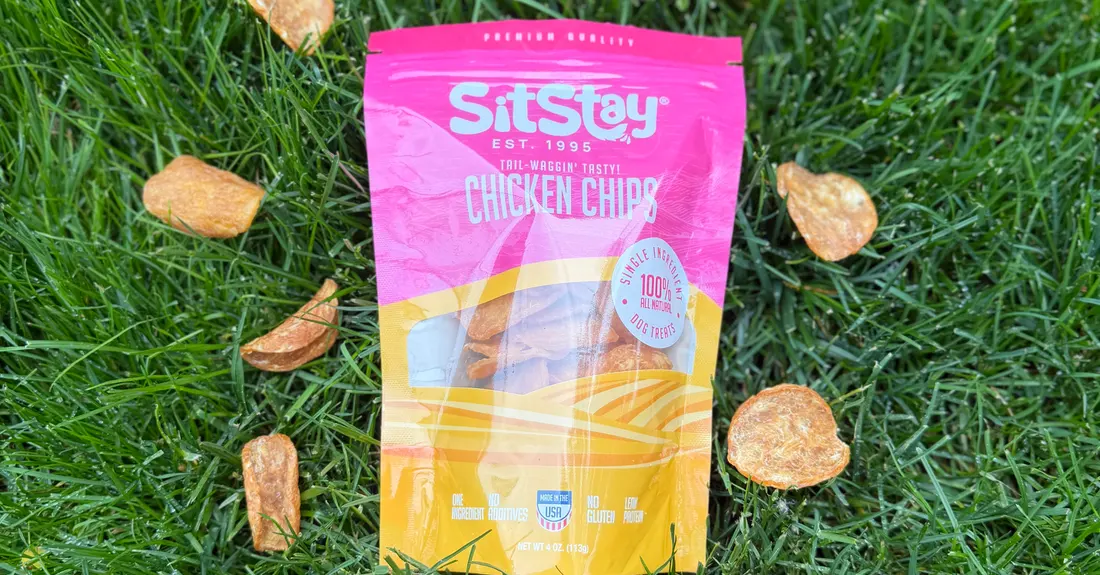
High-value dog treats are the treats your dog will drop everything for - usually something meaty, smelly, and gone in one bite. Plain cooked chicken, a sliver of cheese, freeze-dried liver, a thin dried chicken chip: that tier. The everyday biscuit in the jar is not it, and the difference matters most exactly when training gets hard.
The short version
A high-value treat is a pay raise, not a salary. Save it for recall at the park, walking past another dog, the vet's scale - the jobs your dog finds genuinely hard. Keep pieces pea-sized, count them in the day's calories (the 10% guideline), and let your own dog tell you what earns the label.
Between Stella, Ivy, and Piper, I get three different verdicts on every bag I open - which is the whole point. The package does not decide what counts as high-value. The dog does.
What counts as a high-value dog treat?
A high-value treat is defined by your dog's reaction, not by price or packaging. If the nose locks on, the ears swivel, and the rep happens fast, that treat is high-value for that dog. If it gets a polite sniff and a slow chew, it is not - whatever the bag cost.
- Smelly wins. Scent is most of the sell. Soft meats, fish, liver, and dried chicken all broadcast in a way a dry biscuit cannot.
- Small and fast. Pea-sized and swallowed in a second - training rhythm dies while a dog stands there chewing.
- Rare on purpose. Value comes partly from scarcity. A treat that appears all day long stops being special by Tuesday.
Here is the opinion I will defend: palatability is data. The treat your dog actually finishes beats the "better" one they shrug at, every time. An ingredient list is a promise; the empty palm and the ready dog are the proof.
Why the good stuff works
Dogs appraise rewards mostly by smell, and they are spectacular at it. A strong meat or fish scent carries across a windy park; a dry biscuit barely survives the pocket. That is why the same dog who ignores kibble at the trailhead will spin on a dime for a piece of dried chicken.
The second ingredient is contrast. A reward feels valuable compared to what usually shows up - if every day is filet, filet is Tuesday. Keep an everyday tier for easy reps and a high-value tier for hard ones, and the hard-tier treats keep their electricity.
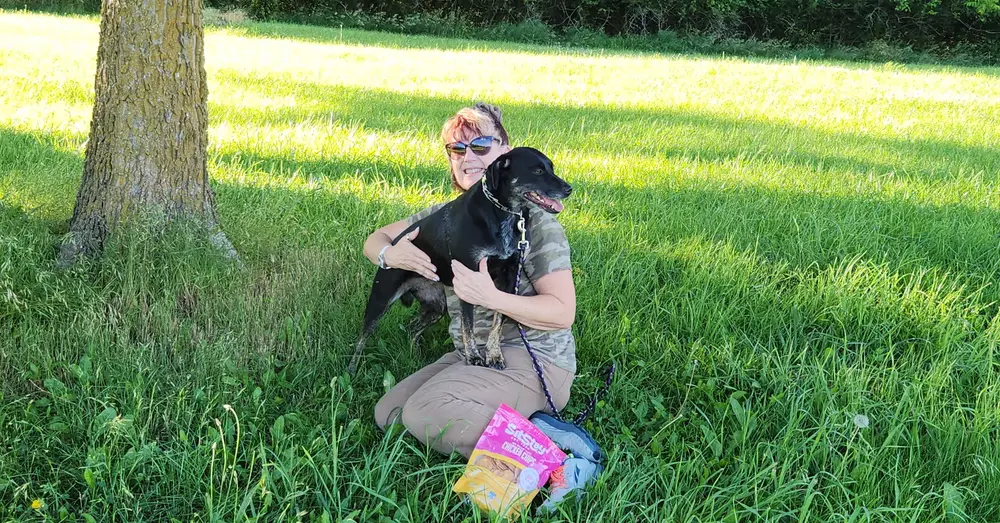
Treats are how I taught Stella, Ivy, and Piper to "wait" before crossing a street. That kind of job - asking three dogs to hold still while the world goes by - is exactly what the high-value tier is for. I would not try it on the strength of a dry biscuit.
Examples that usually earn the name
Every dog writes their own list, but these are the usual suspects:
- Plain cooked chicken. The boring, brilliant default - lean, soft, and accepted by almost every dog I have met.
- Dried or dehydrated meat. Single-ingredient chips and strips concentrate the smell and snap into pea-sized pieces. Our chicken chips guide covers the format in detail.
- Freeze-dried liver. Pungent, light, and very motivating. A little goes a long way.
- Cheese, in slivers. Works for many dogs; go easy if dairy and your dog are not friends.
- Hot dog pieces. A classic trainer's trick. Salty and processed, so think occasional, not daily.
Notice what is not on the list: most everyday biscuits, anything your dog merely tolerates, and anything too big to disappear in a second. If a long ingredient label bothers you as much as it bothers me, the single-ingredient route keeps the good stuff clean.
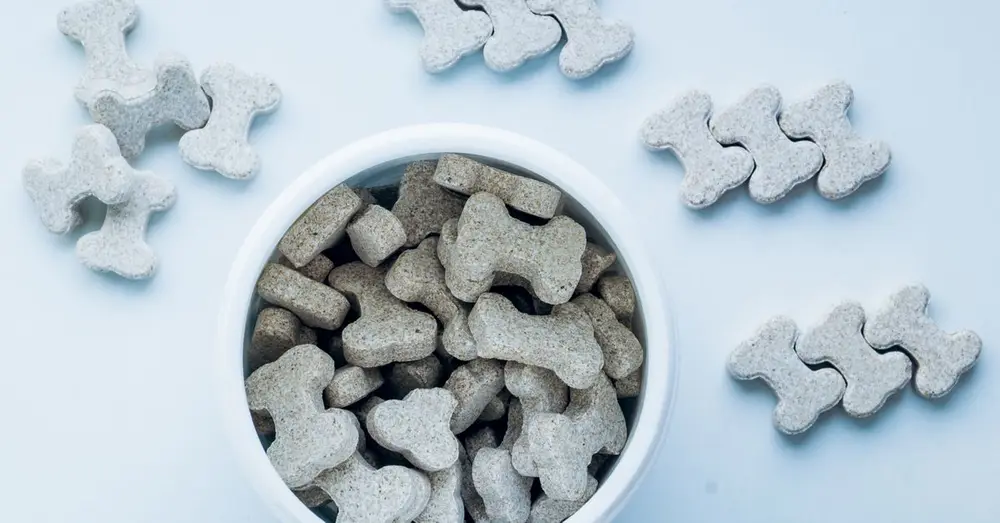
High-value vs everyday treats
Think pay scale, not ranking. Everyday treats - kibble pieces, plain biscuits - are for easy work in boring places: a sit in the kitchen, a polite hello at the door. High-value treats are for jobs with real competition: distance, distraction, other dogs, squirrels with opinions.
The two tiers protect each other. Spend the good stuff on easy reps and it loses its pull; ask for hard work on biscuit wages and your dog reasonably declines. Our training treats guide goes deeper on building the rotation.
A quick tier test
Hold a piece of an everyday treat in one hand and the candidate in the other. Which hand does your dog hit first - and does the other one still get eaten? Run it a few times on different days, and you have your own dog's answer instead of the internet's.
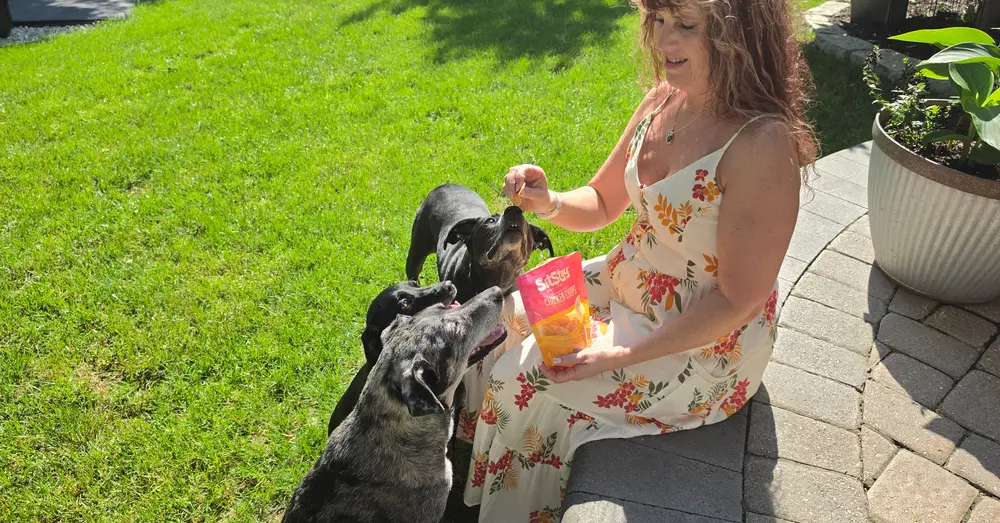
When to bring out the good stuff - and when not to
- Recall, especially outdoors - the single best place to spend top dollar.
- Passing big distractions - other dogs, joggers, wildlife - when you need the attention on you.
- The hard buildings - the vet, the groomer, anywhere the scale and the nail clippers live.
- Brand-new or scary skills, where the ask is genuinely difficult for this particular dog.
And when not to: skip the high-value tier for reps your dog already knows cold, and for quiet indoor practice an ordinary treat covers fine. If your dog happily works for kibble - some genuinely do - do not pay caviar prices out of guilt. You are not shortchanging your dog; you are keeping the special stuff special. For the wider basics of handling and care, the ASPCA's dog care resources are a solid reference.
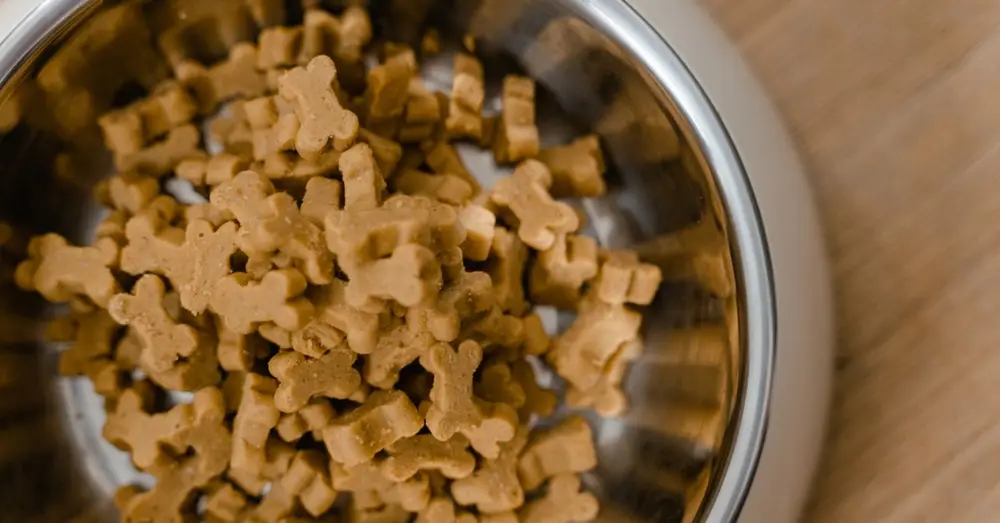
Do the calorie math before the session
High-value sessions hand out a lot of pieces, and the math sneaks up on you. The working guideline - keep all treats under about 10% of the day's calories - comes from the veterinary side, and the AKC's nutrition guides explain how to apply it. For a 30-pound dog, that budget can be roughly 90-100 calories - which a few generous-sized treats clear before the session even warms up.
Three ways to stay inside the line: break pieces brutally small (a thin dried chip snaps into four or five pea-sized rewards), subtract a session's treats from dinner, and lean on lean. A dried chicken chip runs about 5-8 calories whole, which is why lean, protein-dense treats end up being the training workhorse in this house.
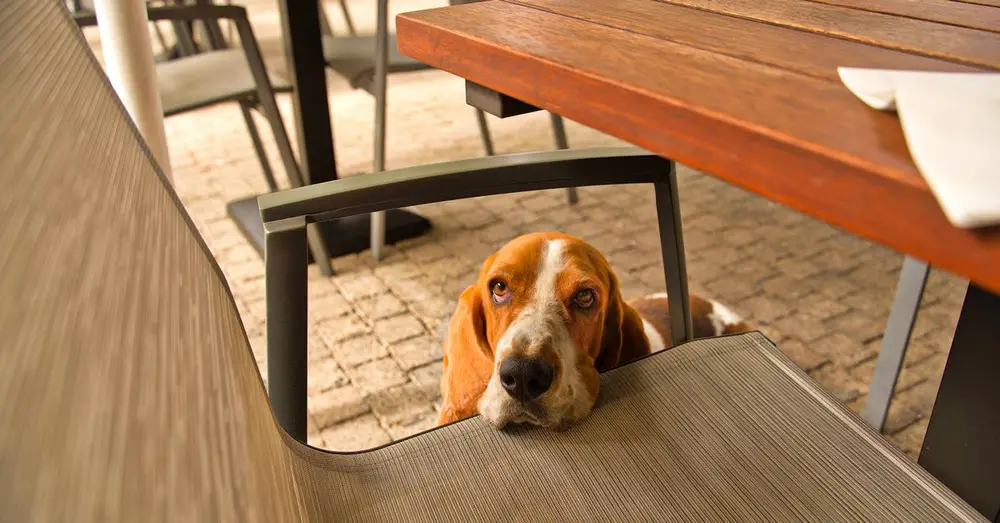
Mistakes that drain a treat of its value
- Paying caviar for easy work. Treat inflation is real. Spend the top tier on hard jobs only.
- Pieces too big. A big chunk fills the dog, slows the rep, and burns the calorie budget. Pea-sized, always.
- Showing the pouch first. Reward after the behavior instead of waving the lure forever - otherwise the treat becomes the cue.
- One flavor forever. Rotate two or three winners so none of them goes stale.
- Never weaning. As a skill gets solid, pay it less often and mix in praise or play - and save the good stuff for the next hard thing.
None of this needs to be perfect. Tiers drift, dogs change their minds, and a treat that bombed in spring can be electric by fall. Re-run the two-hand test once in a while, keep the portions honest, and let the dog you actually live with cast the deciding vote.
Straight answers
What are high-value dog treats?
High-value dog treats are the rewards a dog finds genuinely exciting - usually soft or quick to eat, strongly scented, and meat-based, like plain cooked chicken, dried chicken, cheese, or freeze-dried liver. The defining test is the dog's reaction, not the price: if your dog will work hard for it around distractions, it is high-value for them.
What are examples of high-value treats for dogs?
Common winners include plain cooked chicken, single-ingredient dried or dehydrated meat, freeze-dried liver, small slivers of cheese, and the occasional bit of hot dog. Every dog ranks them differently, so test a few - a quick two-hand comparison will surface your own dog's list fast.
Are bully sticks high-value treats?
Dogs usually love them, but a bully stick is a chew, not a training reward - it takes minutes, not seconds, to consume. For training you want pea-sized pieces that disappear instantly. Save chews for settle time and use small meaty pieces for reps.
What high-value treats work for puppies?
Tiny, soft, single-protein pieces work well - small bits of plain cooked chicken or a soft training treat broken smaller than you think it needs to be. Puppies are easy to motivate and easy to overfeed, so keep pieces truly pea-sized and count them as part of the day's food.
What about dogs with sensitive stomachs?
Stick to one simple, known-safe protein and a short label - single-ingredient treats make it easy to know exactly what went in. Introduce anything new in small amounts, and if your dog has ongoing digestive trouble or allergies, choose the treat with your vet rather than the trial-and-error aisle.
Can a treat be too high-value?
Sometimes. A few dogs get so excited about a top-tier treat that they stop working - grabby, vocal, fixated on your hand instead of the task. If that happens, step down a tier for that exercise. The goal is a dog working keenly, not one that has forgotten what the question was.
How do I wean my dog off high-value treats?
Gradually, and only after the skill is solid. Move from rewarding every rep to rewarding the best ones, mix in praise, play, and real-life rewards like the door opening, and keep occasional surprise paydays so the behavior stays strong. The genuinely hard jobs, like recall, stay on the payroll indefinitely.