
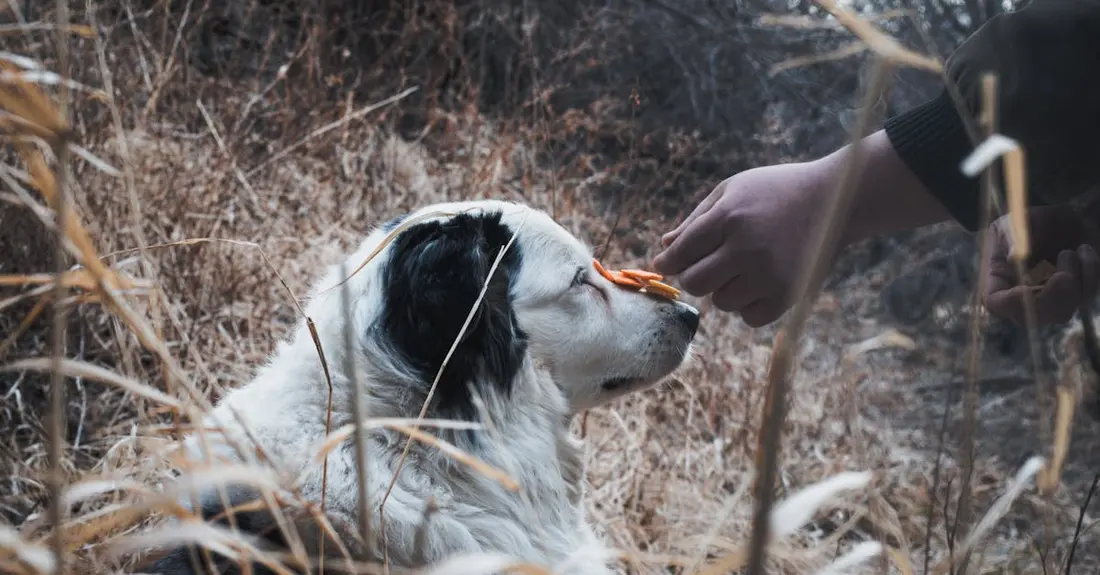
The best training treats for dogs are tiny, soft, low-calorie, and exciting enough that your dog will actually work for them. Size and value matter far more than the brand on the bag: a treat your dog ignores at the park is the wrong treat, no matter what it cost. Get those two things right and training gets easier overnight.
The short version
Use pea-sized, soft, smelly treats your dog loves, and keep all treats under about 10% of their daily calories. Match the value of the treat to how hard the task is - boring treats for easy cues at home, the good stuff for "come back" at the park. Mix in your dog's own kibble to keep the count, and the cost, down.
I am Jodi, and between Piper, my four-year-old Boxer mix and the crazy one of the pack, and Stella and Ivy, my two opinionated ten-year-olds, I have learned that the "best" training treat is mostly the one your dog will turn its head for. Treats are also how I taught all three to "wait" before crossing a street. Here is how to pick them and use them well.
What makes a good training treat?
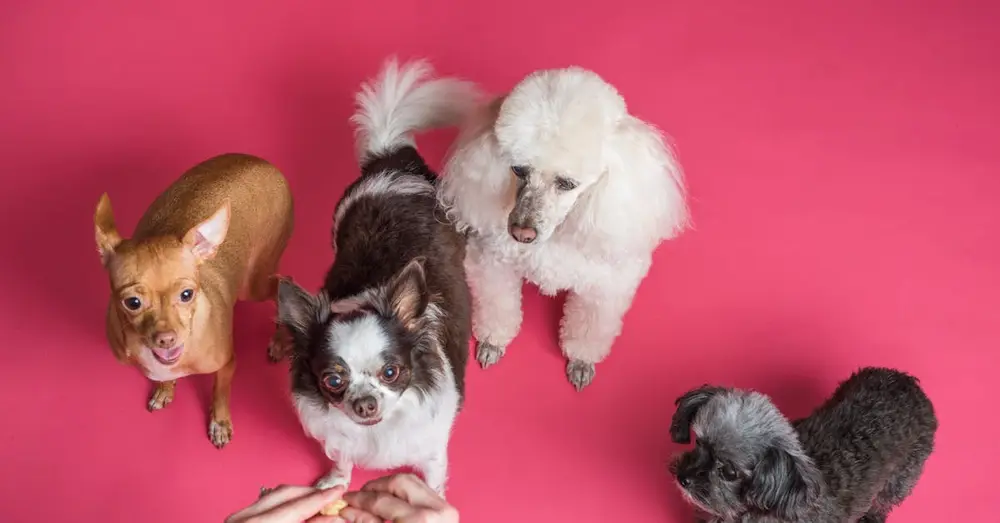
A good training treat does one job: it pays your dog fast, so you can reward the instant they get it right and move straight to the next rep. Four things make that possible:
- Tiny. Pea-sized, or smaller for little dogs. You might hand out fifty in a five-minute session, so each one has to be a nibble, not a meal.
- Soft. Soft treats disappear in a second. Crunchy ones cost you ten seconds of chewing and a trail of crumbs - dead time in a training session.
- Smelly and high-value. Strong-smelling, meaty treats hold a dog's attention, especially outdoors. If your dog can smell it, they will work for it.
- Low-calorie. Because you use so many, the calories add up fast. Lean, simple treats let you reward generously without the waistline creeping up.
Single-ingredient treats tick most of these boxes at once - our post on chicken chips is a good example of a clean, high-value reward you can snap into smaller pieces. The American Kennel Club's training advice is a solid primer if you are just starting out.
How many training treats can a dog have a day?
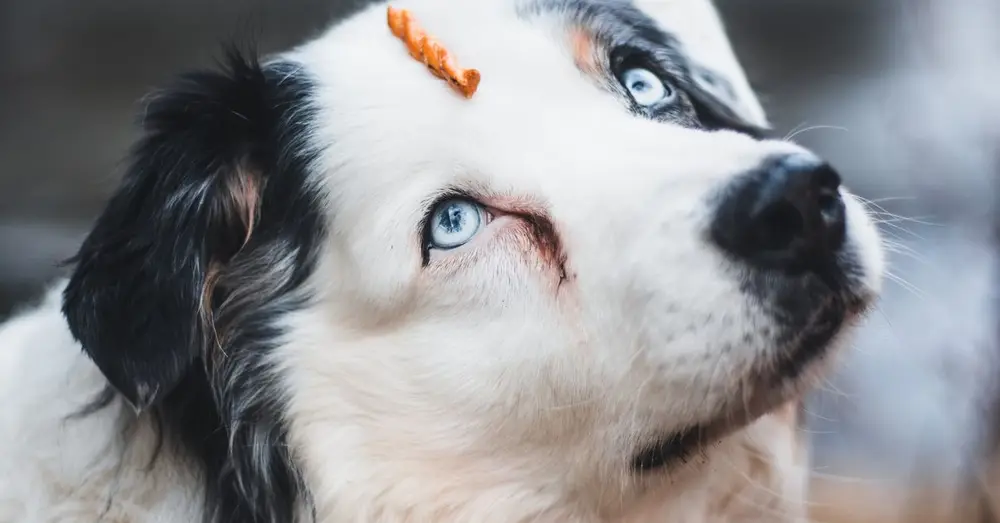
This is the question most "best treats" lists skip, and it matters: treats should make up no more than about 10% of your dog's daily calories - training treats included. The percentage matters more than any fixed number, because the same treat is a crumb for a Labrador and a real meal for a Chihuahua.
- Break them up. One treat snapped into three or four pieces is three or four rewards. Your dog cannot tell the difference; their calorie count can.
- Train with dinner. Measure out part of your dog's normal kibble in the morning and use it for easy reps. Those calories are already accounted for.
- Balance heavy days. After a long session, take a little off dinner so the day stays even.
If you want to be exact, check your treat's calories per piece against your dog's daily needs - your vet can give you that number, or start from a general canine nutrition guideline. And if your dog is gaining weight, cut the treats before you cut the meals - treats are almost always the hidden culprit.
High-value vs. everyday treats - and when to use each
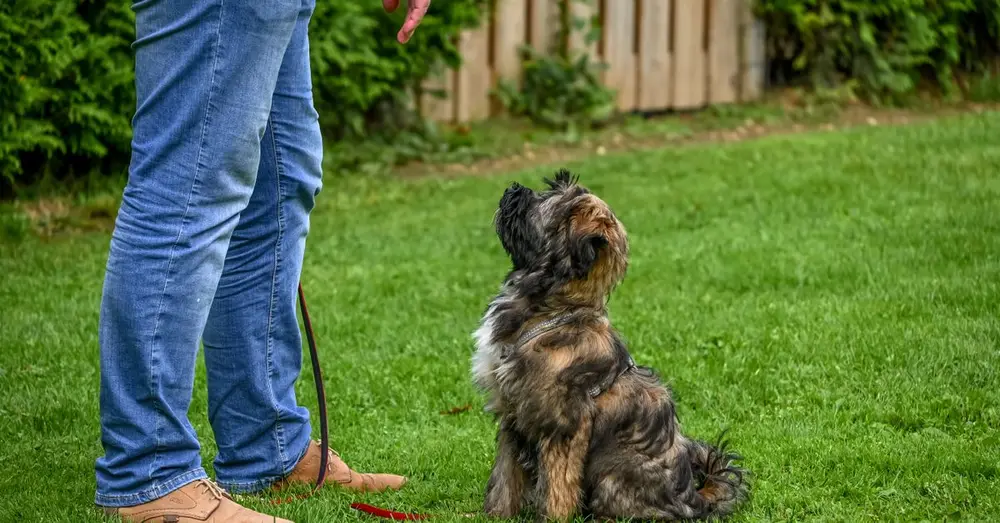
Not every treat needs to be filet mignon. The trick is matching the value of the treat to how hard the task is. Trainers think in tiers - basically, paying your dog what the job is worth:
- Low value (their kibble, a plain biscuit): easy, well-known cues in a calm room. You would not pay someone a fortune to do something they will happily do for free.
- Medium value (a soft store-bought training treat): practising in mildly distracting places.
- High value (chicken, cheese, freeze-dried meat): save these for the hard stuff - recall at the park, the vet, fireworks, anything new or frightening.
Keep a couple of tiers in your pouch so you can pay up when it counts, and every so often throw a "jackpot" - five or six treats in a row for a brilliant effort. One of mine will do almost anything for a jackpot of cheese but would not cross the kitchen for a single piece of kibble.
One thing the treat aisle will not tell you: the goal is to need the treats less over time. Once a cue is rock-solid, reward every other time, then now and then, and lean on praise and play in between. Treats get you there - they are not meant to be forever.
The best types of training treats
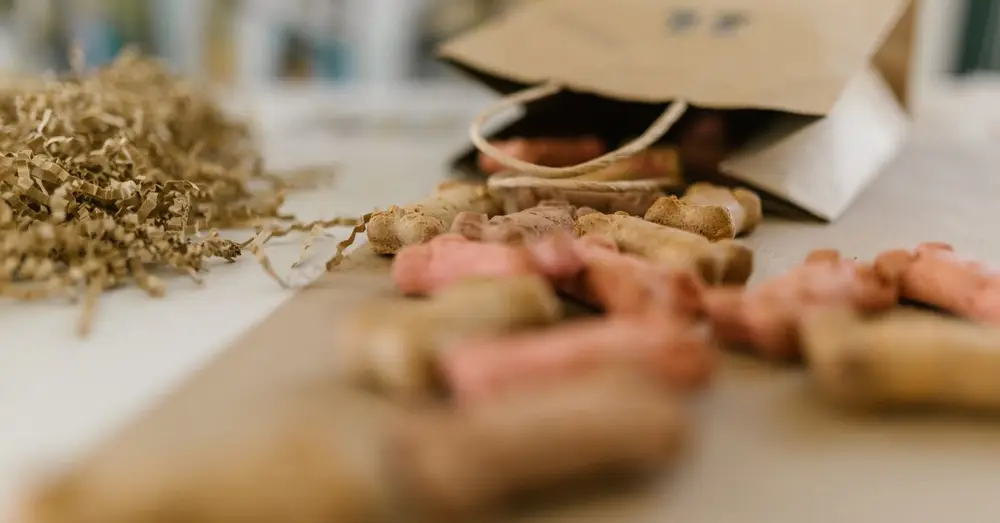
Here are the formats worth knowing, roughly from most to least useful for training:
- Soft & chewy treats. The all-rounder: easy to chew, easy to tear small, usually strong-flavoured. The best default for a training pouch.
- Freeze-dried and single-ingredient. High value, clean labels, and they break into bits - see our chicken chips post for the single-ingredient case.
- Your dog's own kibble. Free, already in the budget, and perfect for easy cues and food-motivated dogs. One of my dogs trains happily for plain kibble; pickier dogs need more.
- Real food. Small cubes of plain cooked chicken, a little cheese, or a slice of hot dog are top-tier value. Keep them small and occasional, and skip anything seasoned - onion and garlic are toxic, which the ASPCA lists among foods to keep away from dogs.
- Homemade. The cheapest option, and you control every ingredient. More on that below.
For clicker training, avoid crumbly treats - you want something that survives a pocket and can even be tossed. Mixing a few types so your dog never quite knows what is coming keeps them that little bit keener.
Training treats for puppies and potty training
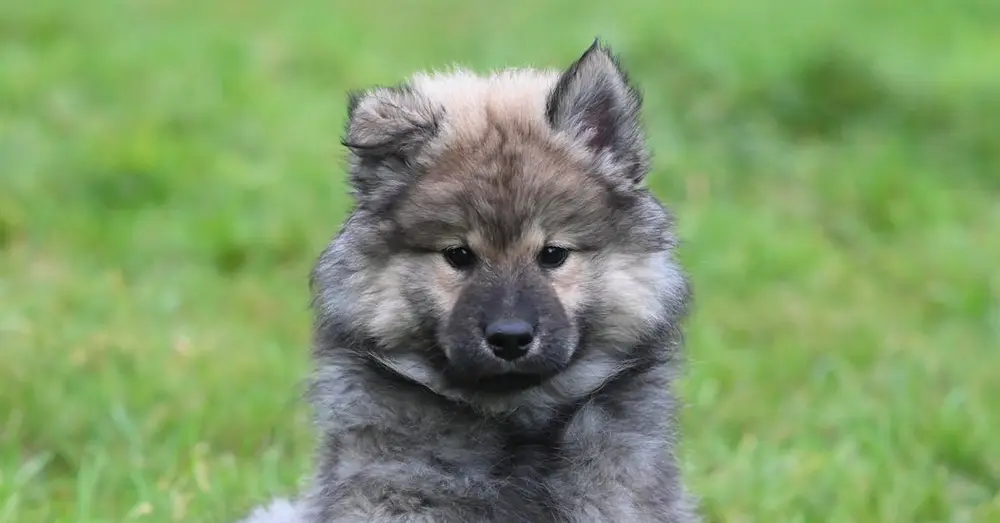
Puppies are the easiest dogs to motivate and the easiest to overfeed, because they eat so little overall. Keep training pieces truly tiny - a puppy treat can be the size of a grain of rice - and lean on their own kibble so you are not piling on extra calories during the all-day business of raising a puppy.
For potty training, value and timing beat everything. Keep a high-value treat by the door, and the instant your puppy finishes outside, pay up - right there, not back in the kitchen. The reward has to land within a second or two for them to connect it to the right thing. Soft treats are kindest on young mouths and wobbly baby teeth. Our full guide to dog treats for potty training walks through the timing and routine in detail.
Treats for dogs with allergies or a sensitive stomach
If your dog has a sensitive stomach or a suspected allergy, training treats are easy to get wrong - precisely because you feed so many. Two rules help:
- Keep it simple. Single- or limited-ingredient treats give you fewer things to react to. If your dog does well on one protein, train with that one.
- Introduce slowly. Try a new treat in small amounts for a few days before you build a whole session around it. One of my dogs taught me this the hard way.
Grain-free only matters if your dog actually reacts to grain - it is not automatically healthier, and the treats are not automatically better. If you are working through a real food sensitivity, talk to your vet before adding anything new, and keep training to one known-safe treat in the meantime.
How to make training treats at home
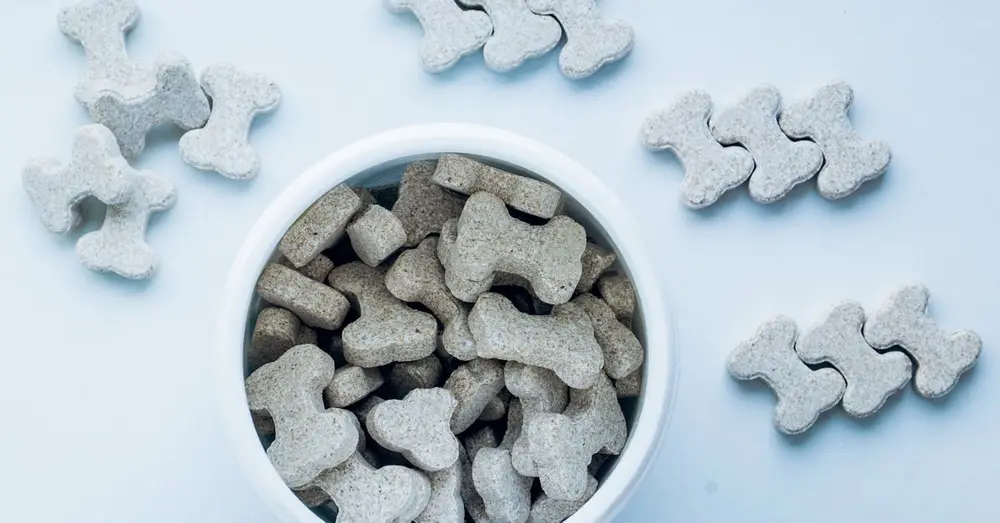
Homemade training treats are the cheapest route to a soft, high-value reward, and you control everything that goes in. The classic is a soft baked treat you cut into tiny squares:
- Mash one ripe banana (or half a cup of plain pumpkin) with one egg and a heaping spoonful of xylitol-free peanut butter.
- Stir in about a cup of oat or whole-wheat flour until you have a thick batter.
- Spread it thin on a lined tray and bake at 350°F for 15-20 minutes, until set.
- Cool, then cut into pea-sized squares. Keep a few days' worth in the fridge and freeze the rest.
One safety note
Check that your peanut butter has no xylitol (sometimes labelled "birch sugar") - it is toxic to dogs. Skip chocolate, raisins, onion, and garlic entirely. With no preservatives, treat these like fresh food: a few days in the fridge, longer in the freezer.
Honestly, you do not need anything fancy to start. A bag of soft store treats and a handful of your dog's kibble will get you a long way. Spend the money - and the good chicken - on the hard stuff, and let the easy wins be cheap.
Straight answers
What are the best dog treats for training?
The best training treats are small, soft, strong-smelling, and low in calories so you can reward often. Soft chewy treats and single-ingredient meats (like freeze-dried chicken) are reliable picks. Match the value to the task - plain treats for easy cues, high-value meat or cheese for hard or distracting situations.
How many training treats can a dog have a day?
Keep all treats under about 10% of your dog's daily calories, training treats included. The exact number depends on your dog's size and the treat's calories, so break treats into smaller pieces, train with part of their kibble, and trim dinner a little on heavy training days.
What makes a good training treat?
Four things: it is tiny (pea-sized), soft (gone in a second, no crunching), smelly and high-value enough to hold attention, and low in calories because you use so many. Speed matters - the faster your dog can eat it, the more reps you get.
Are training treats bad for dogs?
No, used sensibly. Problems come from over-treating or from feeding seasoned human food, not from training itself. Keep treats under about 10% of daily calories, choose simple ingredients, and you can train as much as you like.
Can I use my dog's kibble as training treats?
Yes - for food-motivated dogs and easy, familiar cues, plain kibble is perfect and free. It also counts toward their daily food, so reduce the bowl by what you hand out. Save higher-value treats for harder tasks and distracting places.
What are good training treats for puppies?
Tiny, soft, low-calorie treats - and a lot of their own kibble, since puppies eat so little overall. For potty training, keep a high-value treat by the door and reward the instant your puppy finishes outside, not once you are back indoors.
Can I make training treats at home?
Easily. Mash banana or pumpkin with an egg and xylitol-free peanut butter, stir in about a cup of flour, bake thin at 350°F for 15-20 minutes, then cut into pea-sized squares. Store a few days' worth in the fridge and freeze the rest.